
Last updated August 27, 2026
Free in-home measure and quote - PGT, CGI and CWS impact lines compared on your actual openings, style by style
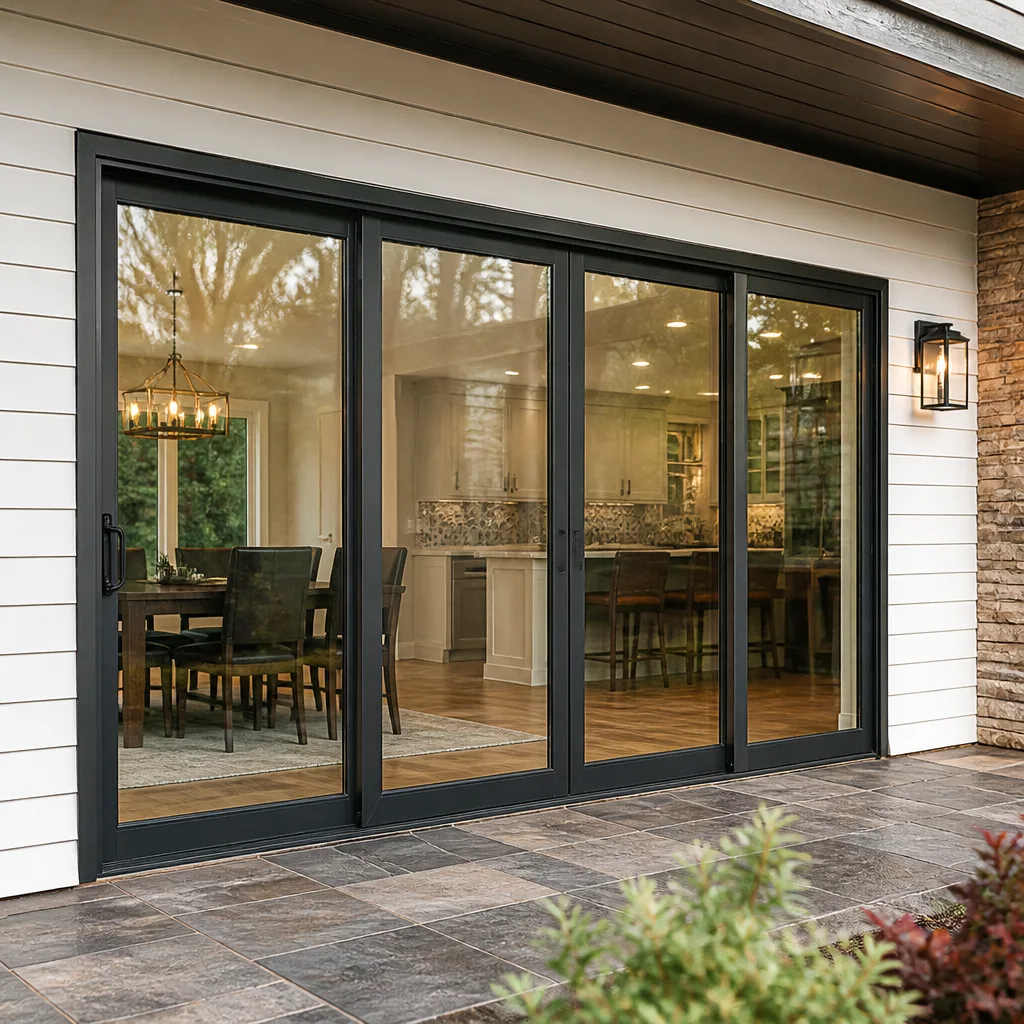
Entry doors
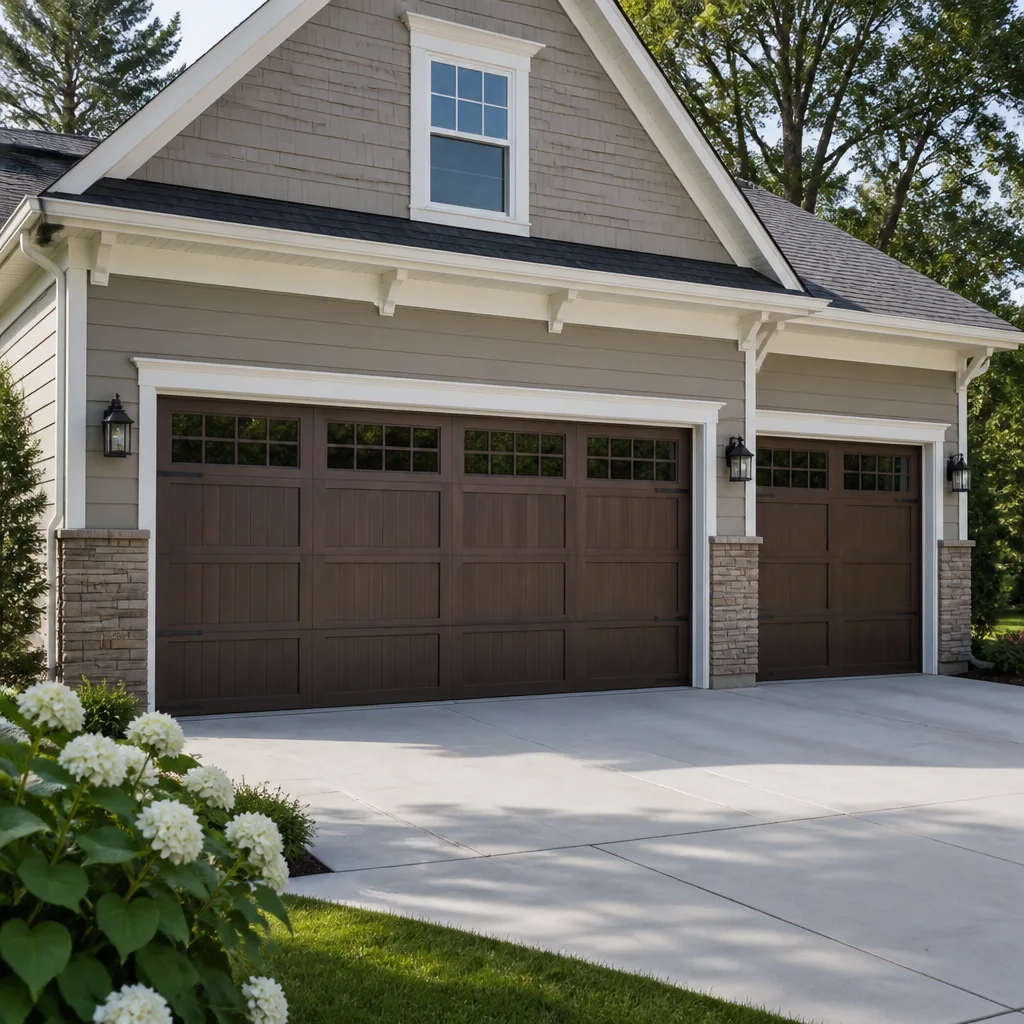
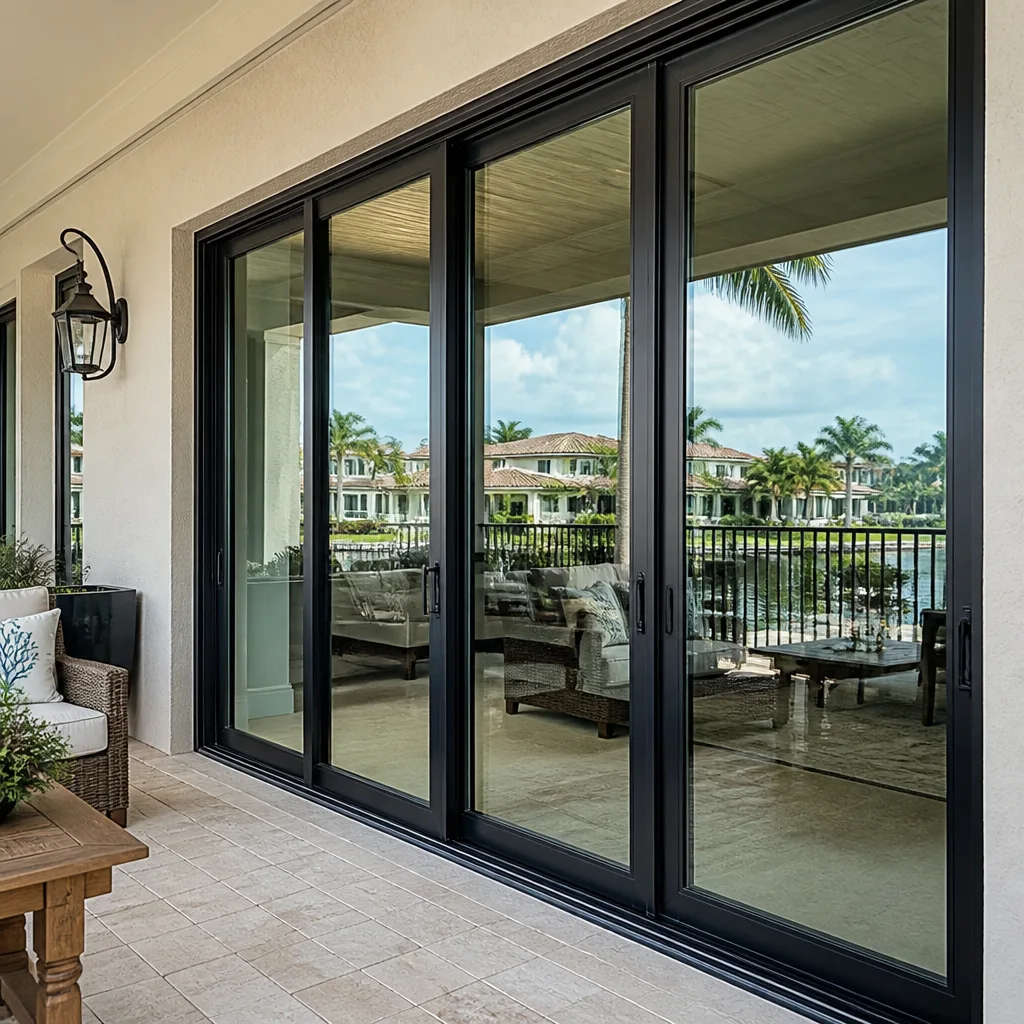
CGI
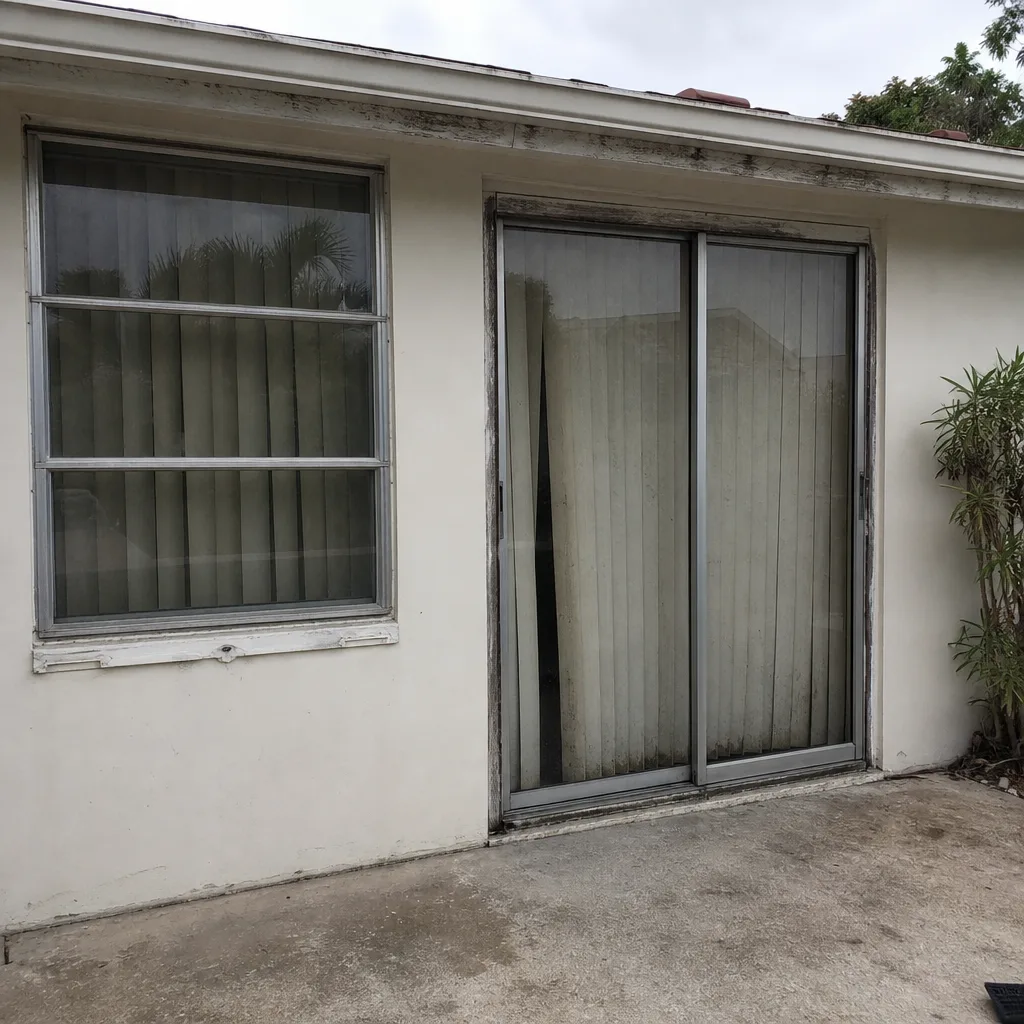 Before
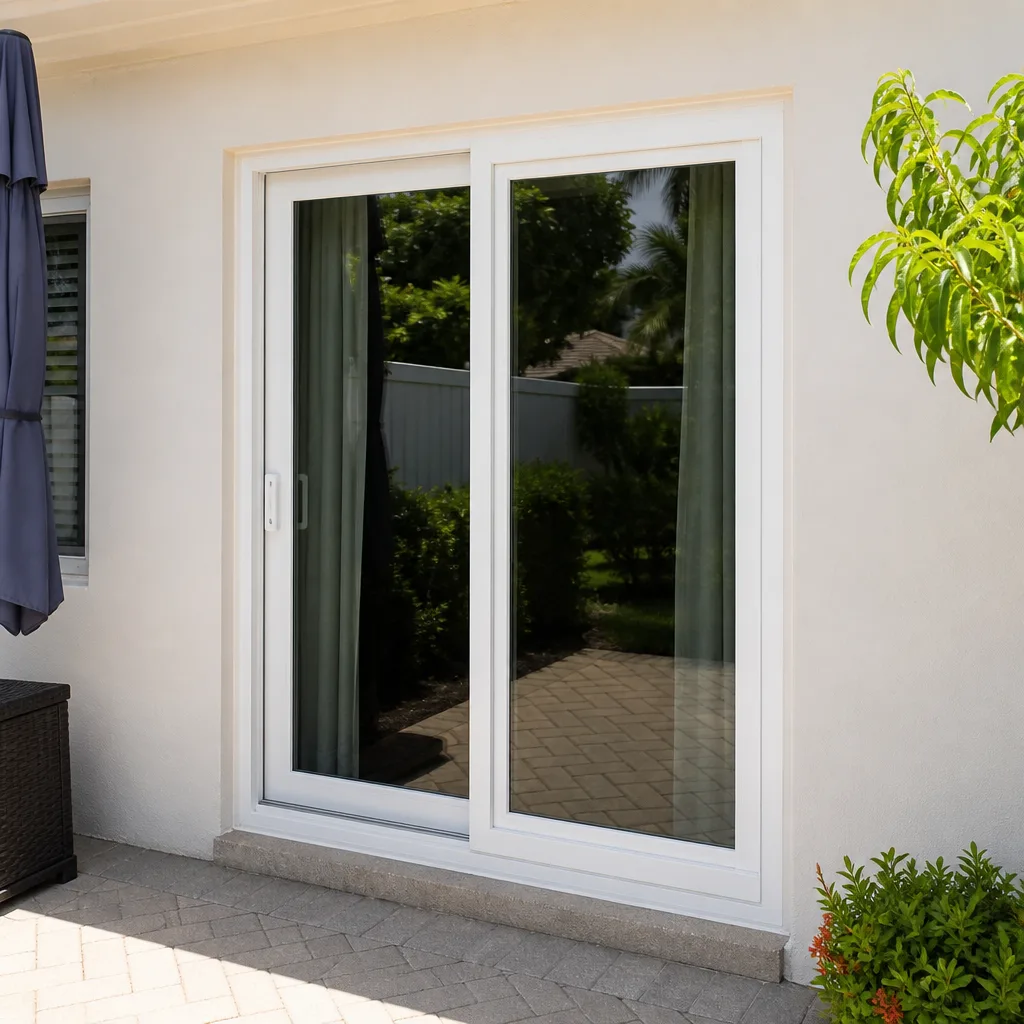 After
After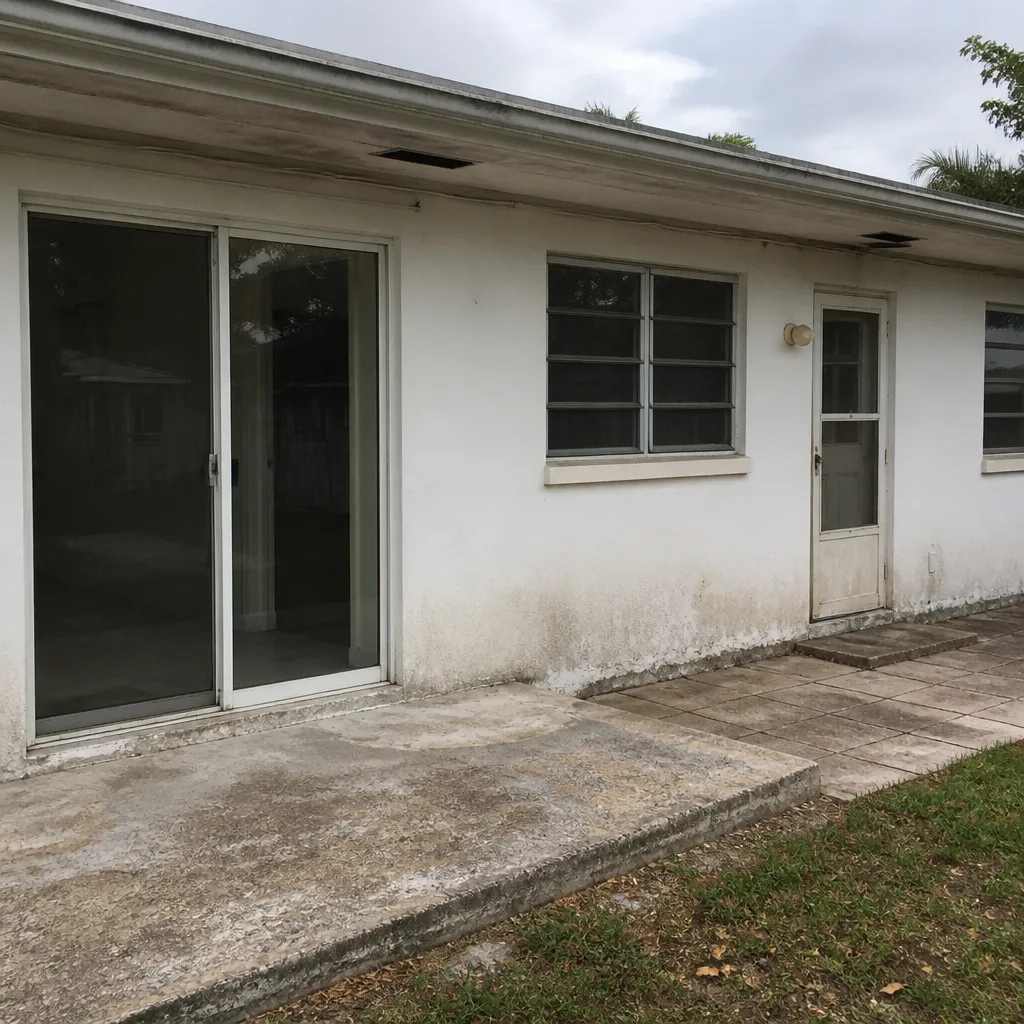 Before
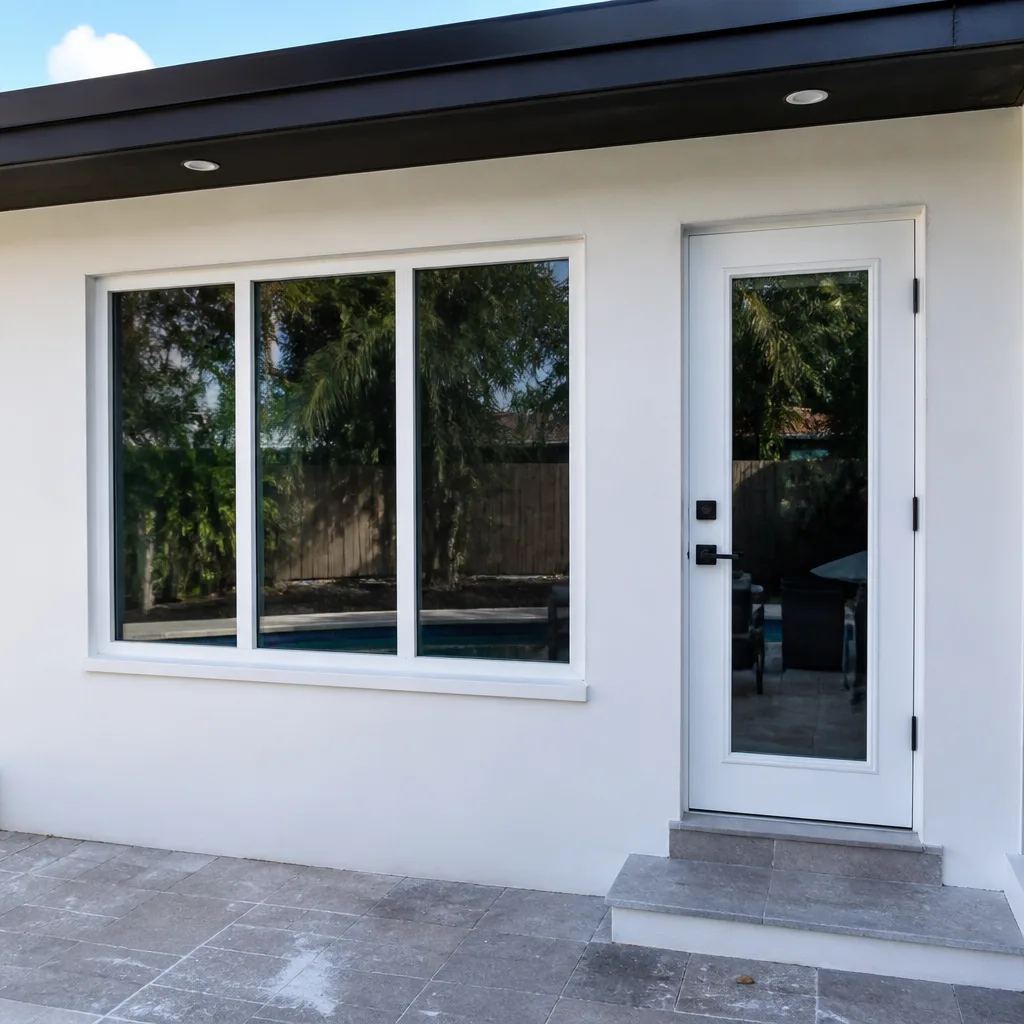 After
After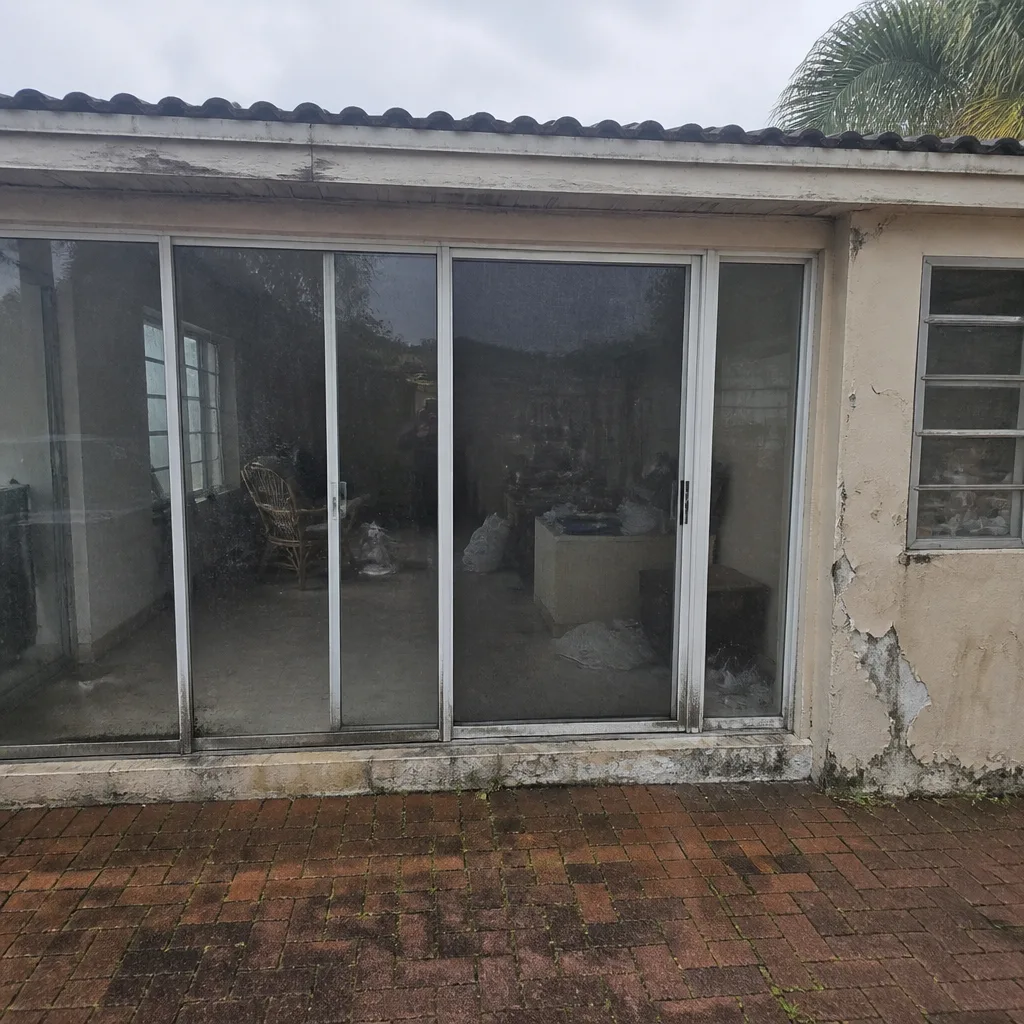 Before
 After
AfterWindows & Doors Warning Signs: A Pompano Beach Homeowner’s Reference Guide
A door that “just sticks a little” in summer is the single most commonly ignored sign of foundation movement or frame rot in Pompano Beach, and both problems get exponentially more expensive the longer they’re dismissed as seasonal quirks. This guide pairs each visible symptom you’re likely to see on your windows and doors with its actual root cause, then tells you exactly when a problem can wait and when it cannot. For a deeper dive into every aspect of this topic, see The Complete Guide to Windows & Doors in Pompano Beach. By the time you finish reading, you’ll know which warnings are cosmetic, which are structural, and which ones your insurance company is already keeping an eye on.
Quick Answer
The most common window and door warning signs in Pompano Beach are sticking or dragging doors, condensation between glass panes, visible daylight around door edges, corroded hardware, soft or swollen frame wood, and drafts you can feel with your hand. In this coastal climate, any one of these symptoms that persists for more than a few weeks points to moisture intrusion or frame movement, not normal tropical humidity. The test for each is simple, takes under a minute, and tells you whether you’re looking at a $40 weatherstripping fix or a full frame replacement.
Table of Contents
- Sticking Doors: The Warning Sign Every Pompano Beach Homeowner Dismisses
- Condensation Patterns: Failed Seal vs. Structural Moisture
- Hardware Corrosion: Why Pompano Beach Hardware Fails Faster
- Warping vs. Normal Humidity Expansion: The 60-Second Test
- Daylight Gaps and Draft Zones: Weatherstripping or Frame Failure?
- The Insurance Clock: How Long You Have Before a Claim Gets Denied
- Window-Specific Red Flags You Should Never Ignore
- Door-Specific Red Flags: Entry, Sliding, and Garage
Sticking Doors: The Warning Sign Every Pompano Beach Homeowner Dismisses
A door that sticks in summer and swings freely in winter is not adjusting to the weather. It’s telling you something about the structure holding it. In Pompano Beach, where the water table sits high and the soil expands and contracts with seasonal rain, door frames shift in predictable ways. The question is whether the shift is happening to the door or to the wall around it.
Here’s what we see in the field. A door that rubs against the top corner of the frame on the latch side typically means the slab or the framing has settled unevenly. A door that binds along the entire latch edge usually means the hinges have pulled loose or the jamb has swollen from moisture. A door that sticks at the bottom and leaves a visible gap at the top means the header above it has moved, which is a structural issue, not a door issue.
The distinction matters because the fixes are completely different. A swollen jamb can sometimes be planed down or a hinge can be tightened. A shifted header means the opening itself is no longer square, and no amount of sanding will fix it. If you’re not sure which one you’re dealing with, measure the diagonal distances across the door opening from corner to corner. If the two measurements differ by more than a quarter inch, the frame has shifted.
In our experience working on homes across Pompano Beach, from the older concrete-block construction in Garden Isles to the newer builds west of the Turnpike, the homes most prone to frame movement are those built before 1994 on slab foundations without deep pilings. The soil here simply doesn’t hold still. A door that sticks seasonally has been doing it for years and will keep doing it until someone addresses the frame, not the door slab.
Condensation Patterns: Failed Seal vs. Structural Moisture
Condensation on a window is either on the outside, on the inside, or between the panes. Two of those are normal in Pompano Beach. One of them means the window has failed. Here’s how to tell them apart in under ten seconds.
Condensation on the outside of the glass happens on humid mornings after a cool night. It means the window is doing its job: the glass is staying cool while the outside air is saturated. Condensation on the inside of the glass happens when your air conditioning has cooled the interior surfaces below the dew point. Both are cosmetic and neither is a reason to replace anything.
Condensation between the panes means the insulated glass unit, or IGU, has lost its seal. The desiccant inside the spacer bar is saturated, the argon or krypton gas has leaked out, and what you’re seeing is trapped moisture that cannot escape. This is a failed window. It’s not dangerous, but the window has lost most of its insulating value and will eventually develop a permanent haze or mineral staining between the glass. In Pompano Beach’s climate, a failed IGU also invites mold growth inside the unit, which is purely cosmetic but looks terrible.
Now for the distinction most homeowners miss. When we talk about window replacement in Pompano Beach, we frequently see moisture at the bottom corners of the frame or along the sill that homeowners assume is a failed seal. Often, it’s actually water traveling inside the wall cavity and exiting through the window opening. You can tell the difference by running a finger along the interior drywall beside the window. If it feels damp, soft, or cooler than the surrounding wall, the problem is water intrusion behind the frame, not a failed IGU. That’s a structural water problem that will rot the framing long before the window itself fails.
Hardware Corrosion: Why Pompano Beach Hardware Fails Faster
Window locks, door hinges, and sliding door rollers corrode faster in Pompano Beach than almost anywhere else in Florida that isn’t directly on the beach. The reason is the salt content in the air combined with the humidity cycle. Salt settles on metal surfaces, then the daily humidity provides the moisture to activate corrosion. An inland home in Orlando might get 15 years out of a set of sliding door rollers. The same rollers three miles from the Pompano Beach shoreline might last seven.
The corrosion progression is visible and predictable. It follows a five-stage pattern:
- Stage 1 - Dulling: The metal finish loses its shine and develops a cloudy look. Function is unaffected.
- Stage 2 - Pitting: Small dots appear on the surface, especially on zinc-plated screws and lock bodies. The lock still works but feels rougher when you turn it.
- Stage 3 - White or green deposits: Salt crust or copper verdigris accumulates around screw heads and hinge pins. This is the last stage where cleaning and lubrication will help.
- Stage 4 - Binding: The lock cylinder requires force to turn, or the hinge creaks and catches when the door moves. Internal corrosion has started. Replacement is the only real fix.
- Stage 5 - Catastrophic failure: The lock jams completely, a hinge pin snaps, or a sliding door roller collapses. This typically happens without warning, usually when you need the door to work most.
When we install hardware on homes in Pompano Beach, we recommend marine-grade stainless steel or coated hardware for anything within two miles of the ocean. Big-box hardware store locksets are often zinc alloy with a thin lacquer coating, and they simply don’t last here. Brands like Therma-Tru specify corrosion-resistant hardware on their entry doors for exactly this reason, and it makes a measurable difference in lifespan.
Warping vs. Normal Humidity Expansion: The 60-Second Test
Wood swells in humidity. That’s a physical property, not a defect. But there’s a difference between a wood door or window frame absorbing moisture from the air, which is reversible, and a frame that has been saturated by water infiltration, which is permanent. Pompano Beach homeowners need to know how to tell the difference because the first one is normal and the second one is rot.
The test is simple and requires no tools.
- Locate the area where the door or window is rubbing or where the frame looks swollen.
- Press your thumbnail firmly into the wood at the swollen spot. If it leaves a visible dent, the wood is saturated. If it barely leaves a mark, the wood is dry and the swelling is dimensional.
- Check the paint or finish on the swollen area. Hairline cracks in a spiderweb pattern mean the wood fibers beneath are swelling from absorbed water. Clean, intact paint with normal grain showing means humidity expansion.
- Run your hand along the bottom edge of the door or the bottom rail of the window sash. If the edge feels rough, flaking, or soft instead of smooth and firm, water has been sitting there.
If your test indicates saturation, the problem isn’t the door or window. It’s wherever the water is coming from. On Pompano Beach homes, the usual suspects are missing or deteriorated caulk around the exterior frame, failed flashing above the opening, or a roofline leak that’s traveling down the wall. Until the water source is fixed, any door or window you install in that opening will fail the same way.
For homeowners evaluating window installation in Pompano Beach, this is the most important pre-installation check: if the existing window is being replaced because of rot, the source of the rot has to be addressed or the new window gets installed into a compromised opening.
Daylight Gaps and Draft Zones: Weatherstripping or Frame Failure?
Stand inside your house on a sunny day and look at the perimeter of your front door, your back door, and your windows. If you can see daylight, you have a gap. The question is what’s causing it.
A gap that opens and closes with the weather is almost always weatherstripping. Foam and rubber weatherstripping compresses over time and loses its rebound, especially in Pompano Beach’s heat. Felt strips degrade even faster. If the gap you see is mostly under the door and the weatherstripping is visibly flattened or torn, a $15 replacement sweep will fix it. If the gap is along the latch edge and the weatherstripping still looks full, the door or frame has moved.
Here’s the field test we use. Close the door and lock it. Push on the door gently. If it moves inward and outward more than an eighth of an inch, check whether the weatherstripping is still making contact. If the stripping is compressed and the door still has play, the hardware isn’t holding the door against the weatherstripping. That’s a strike plate or hinge adjustment, not a stripping problem. If the door is solid but light still shows around the edges, the frame has racked and the door no longer fits the opening.
For windows, place a dollar bill between the sash and the frame and close the window. If the bill pulls out easily, the weatherstripping or the sash lock isn’t creating a seal. If the bill tears instead of pulling out, the seal is good and your draft may be coming from around the frame, not through the operable part of the window.
The most important distinction: weatherstripping failures are maintenance issues. Frame racking is a structural issue. One you fix in ten minutes with a screwdriver. The other requires removing the door or window, squaring the opening, and reinstalling. If you’re seeing gaps at multiple doors or windows in the same room or along the same wall, that points to frame movement rather than individual weatherstripping failures.
The Insurance Clock: How Long You Have Before a Claim Gets Denied
Florida property insurers have become aggressive about denying storm damage claims by arguing the damage was pre-existing and unrelated to the covered event. Pompano Beach homeowners face a tighter version of this problem because the city’s location in Broward County means wind mitigation and storm damage are routine claims topics.
In practical terms, the clock works like this. If a hurricane or tropical storm damages your window or door, the carrier will send an adjuster. The adjuster’s job includes looking for evidence that the damage existed before the storm. That evidence comes in several forms: corrosion on broken hardware, rot at the point of failure, weathered surfaces inside a fresh break, and any prior claim or inspection note that references the area.
Once a visible warning sign appears, like a sticking door that indicates movement or corrosion on a hinge that indicates weakening, the average homeowner in Florida has roughly six to twelve months before a carrier can plausibly argue that the damage was “longstanding” and therefore not covered under a storm event claim. This isn’t a hard statutory limit; it’s a practical standard adjusters use based on the visible progression of the damage.
What this means for you as a Pompano Beach homeowner: if you can see a problem, document it with dated photos, and then get it fixed. A carrier will more readily honor a claim for storm damage to a window that was functional before the storm than for a window that had been fogged between the panes for two years. Replacing failed units before storm season protects both your house and your ability to make a legitimate claim if a storm does real damage to something else.
Independent of insurance, coastal wind loads puts stress on windows and doors that inland homes never experience. PGT and CGI impact systems are tested to codes that reflect Miami-Dade County standards, which are the strictest in the country, and Pompano Beach homes benefit from that standard even though the city itself draws inspections and requirements that track Broward County. A properly installed impact-rated system typically survives not just one storm but dozens.
Window-Specific Red Flags You Should Never Ignore
Some window problems appear first in Pompano Beach homes built in specific decades. Homes built in the 1970s and 1980s often have aluminum single-pane windows with no thermal break. Homes built in the 1990s typically have builder-grade vinyl or aluminum windows that are now twenty-five to thirty-five years old. Homes built after 2002 in Broward County were required to meet stronger wind-load standards, but the quality of the actual window units varies widely by builder.
These red flags mean the window has failed and should be evaluated for impact windows in Pompano Beach:
- Visible haze or fog inside the glass unit that doesn’t wipe away: the IGU seal has failed and the window has lost its insulating gas fill.
- Crank-out window mechanisms that slip or jump teeth: the operator gear is stripped, and the window won’t seal firmly closed against the frame.
- Sash that flexes visibly when you push on the glass from outside: the frame or glazing bead has lost structural integrity.
- Mineral deposits or chalky residue on the interior glass surface below the seal: water has been sitting between the panes, and the desiccant inside the unit is exhausted.
- Single-pane glass with no tempering marks in a door or a window within 18 inches of the floor: this is a code violation that predates current safety glazing requirements and is a serious injury hazard.
- Window frames that have separated at the corners: the welds or corner keys have failed, and the frame no longer provides a structural opening.
On older Pompano Beach homes, especially those in the Harbor Village or Cresthaven areas, we see a lot of original aluminum windows that were state-of-the-art in 1975 and are now far past their service life. The frames corrode invisibly at the sill, where salt air and condensation combine. By the time the interior paint starts bubbling at the window sill, the frame underneath is typically beyond repair.
Door-Specific Red Flags: Entry, Sliding, and Garage
Entry doors fail differently than sliding glass doors, and garage doors have their own failure modes. Pompano Beach’s combination of salt air, intense UV, and daily humidity means the failure rate here is higher than in inland Florida homes, and the warning signs appear earlier.
Entry doors: Look at the bottom edge of the door. If the wood or the composite core is absorbing moisture, the bottom edge will show swelling, flaking, or the paint will be lifting. This is the leading edge of rot. On a solid wood door, the bottom seal is the only thing keeping water off the end grain, and once water gets in, it wicks upward. Also check the threshold: a threshold that has pulled away from the door frame, or that flexes when you step on it, is letting water and insects into the subfloor.
Sliding glass doors: A sliding door that’s heavy to operate is usually not dirty tracks. It’s failed rollers. The rollers on most sliding doors are nylon wheels on steel axles, and the steel corrodes in coastal air until the wheel stops turning. Then the door drags on its track, which damages the track, which ruins the door’s alignment, which creates gaps at the top and bottom. By the time most Pompano Beach homeowners call us, the roller has already cut a groove into the aluminum track, which means the repair is more involved than a roller swap.
Garage doors: Impact garage doors in Pompano Beach face wind-load requirements that standard garage doors don’t meet. The warning signs of a garage door that isn’t properly braced or reinforced are subtle: the door flexes inward when the wind gusts, the tracks bow slightly in the middle, and the automatic opener strains more than it should. These are also the signs of spring tension issues. Because garage door springs are under extreme tension and can cause serious injury if they let go, this is one area where we always recommend a trained technician rather than a do-it-yourself adjustment. If you’re vetting pros, our How to Hire a Windows & Doors Contractor in Pompano Beach: A Step-by-Step Guide covers what to look for. A door that’s difficult to lift manually, or that slams down from the half-open position, needs professional attention.
Common Mistakes to Avoid
- Lubricating a sticking door instead of measuring the frame. Lubricant masks the symptom. If the frame has shifted, the sticking will return, and the underlying movement will have progressed in the meantime.
- Replacing weatherstripping without checking the door’s alignment. If the door is out of square, new weatherstripping will wear out in months and you’ll be back where you started, minus the cost of the stripping and an afternoon of work.
- Assuming fogged glass is “just a Florida thing.” It’s a failed seal, plain and simple. It doesn’t get better, it doesn’t reverse itself, and the window has lost most of its efficiency the moment the fog appears.
- Painting over swollen or soft wood. Paint seals moisture in, which accelerates rot. Before you paint, the wood has to be dry or replaced. Painting over a wet frame is how you turn a repairable frame into a full replacement.
- Ignoring a door that sticks only in August. That’s the door telling you the slab is moving. It’s also the cheapest time to fix the underlying issue, before the movement gets bad enough to crack tile or drywall.
- Buying hardware from a big-box store for a beach-adjacent home. The lacquer-coated zinc hardware that’s fine in Ocala is not fine three miles from the Pompano Beach shoreline. Marine-grade hardware costs more and lasts three times longer.
- Waiting until a window falls out to replace it. Windows give you years of warning. Loose sashes, visible frame separation, and windy-day rattling are all signals that the window is nearing the end of its service life. Replacing it on your schedule is always cheaper than replacing it on an emergency basis after it fails during a storm.
When to Call a Professional
Some of the checks in this guide you can do yourself, and some fixes are genuinely simple: a new door sweep, fresh caulk, lubricating a hinge pin. But several of the warning signs described here are indicators of structural problems that will not be fixed by replacing hardware or weatherstripping. If you’re seeing daylight around multiple doors, if your sticking-door measurements show the frame is out of square, if the drywall around your windows is damp, or if your sliding door has cut a groove into its track, you need eyes on the problem from someone who works on Pompano Beach homes every week. Winslow Windows & Doors offers free estimates in Pompano Beach – call (904) 893-3309 and we’ll come look. For a broader view of your options, start with the Winslow Windows & Doors home page. We also provide a free second opinion on any written estimate you’ve already received.
Frequently Asked Questions
Condensation on the outside or inside surface of the glass is normal humidity. Condensation between the two panes of an insulated glass unit means the seal has failed and the window needs to be replaced or reglazed. If the drywall around the window feels damp to the touch, the problem is water intrusion behind the frame, not condensation at all.
A door that sticks seasonally in Pompano Beach usually means the slab or the door frame is moving with seasonal soil expansion and contraction. This is especially common on older homes built on shallow foundations. Measure the diagonal distances across the door opening; if they differ by more than a quarter inch, the frame has racked and the fix is structural, not a door adjustment.
Within two miles of the Pompano Beach shoreline, standard zinc-alloy locksets and hinges typically last five to eight years before corrosion affects function. Marine-grade stainless or coated hardware typically lasts fifteen to twenty years. Our recommendation for coastal homes is always marine-grade, and brands like Therma-Tru offer door systems that specify corrosion-resistant hardware as standard.
Impact-rated windows from manufacturers like PGT and CGI are engineered to withstand the wind-borne debris that Florida’s building codes target. They dramatically reduce the chance of window failure in a storm, but no window is indestructible, and installation quality determines whether the window performs as tested. At Winslow Windows & Doors, we install impact windows to the manufacturer’s exact specifications, because a properly installed impact window is the single best defense your Pompano Beach home has against storm damage.
Cleaning the track will help if the track is clogged with sand and debris, which is common in Pompano Beach. But if the track is clean and the door is still heavy, the rollers have failed. These are nylon wheels on steel axles, and the steel corrodes in salt air until the wheels stop turning. By the time the door drags, the roller has usually started damaging the aluminum track, and the repair is more involved than a wheel replacement.
If an adjuster can show that the damage predates the storm, the carrier may deny the claim or reduce the payout. A fogged window that later breaks in a storm is a common dispute scenario, because the fog is evidence the seal had already failed. Replacing failed windows before storm season in Pompano Beach protects both your home and your ability to make a legitimate claim for any additional damage. Call (904) 893-3309 for a free estimate if you’re evaluating replacement costs.
The Bottom Line
Windows and doors in Pompano Beach fail in patterns that are predictable once you know what to look for. Sticking doors point to frame movement. Fogged glass points to a dead seal. Corroded hardware tells you the salt air is winning. Daylight gaps tell you something has shifted. None of these problems get better with time, and several of them get dramatically more expensive, especially if an insurance claim is in your future. The good news is that every warning sign in this guide has a fix, and most of them are less expensive to address now than they will be in twelve months. If you’ve spotted a symptom you want evaluated, call us at (904) 893-3309, or explore more guides & resources to keep your home protected. We’re the one down the road, and we’ll give you a straight answer.
Written by Ed Winslow, Owner at Winslow Windows & Doors, serving Pompano Beach since 2011.
Six Reasons Homeowners Choose Winslow Windows & Doors
Impact systems engineered to design pressures up to +/-100, matched to your wind zone - your openings hold when the storm arrives.
Low-E insulated impact glass from our manufacturer lines commonly cuts monthly cooling bills 20-30%.
Laminated impact glass shuts out up to 40% of outside noise - traffic, neighbors, weather.
Monitoring services run $30-90 a month. Laminated impact glass resists forced entry around the clock, with no subscription.
Florida homeowners average around 25% savings on the windstorm portion of their policy after protecting every opening - some homes qualify for more.
A full impact package upgrades curb appeal, buyer confidence and appraised value in one project.