
Last updated August 27, 2026
Free in-home measure and quote - PGT, CGI and CWS impact lines compared on your actual openings, style by style
Entry doors
CGI
 Before
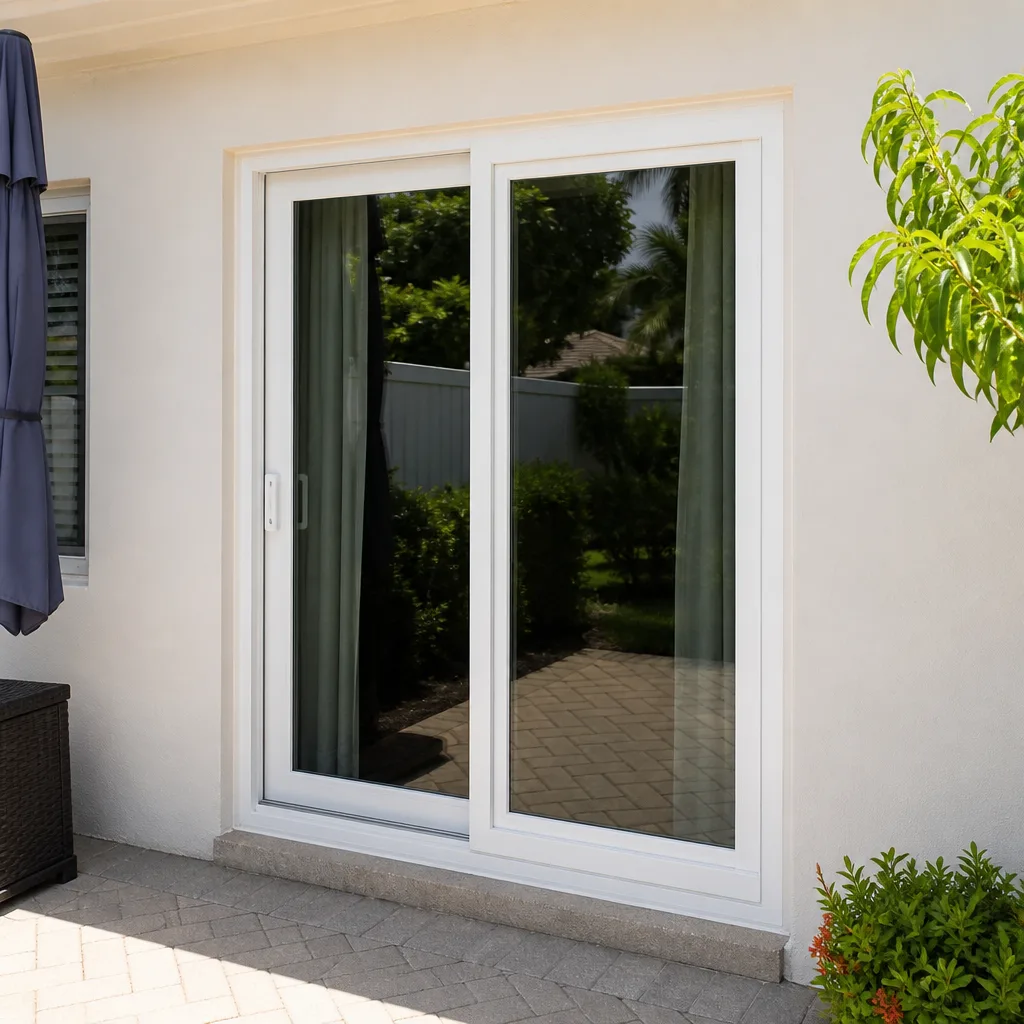 After
After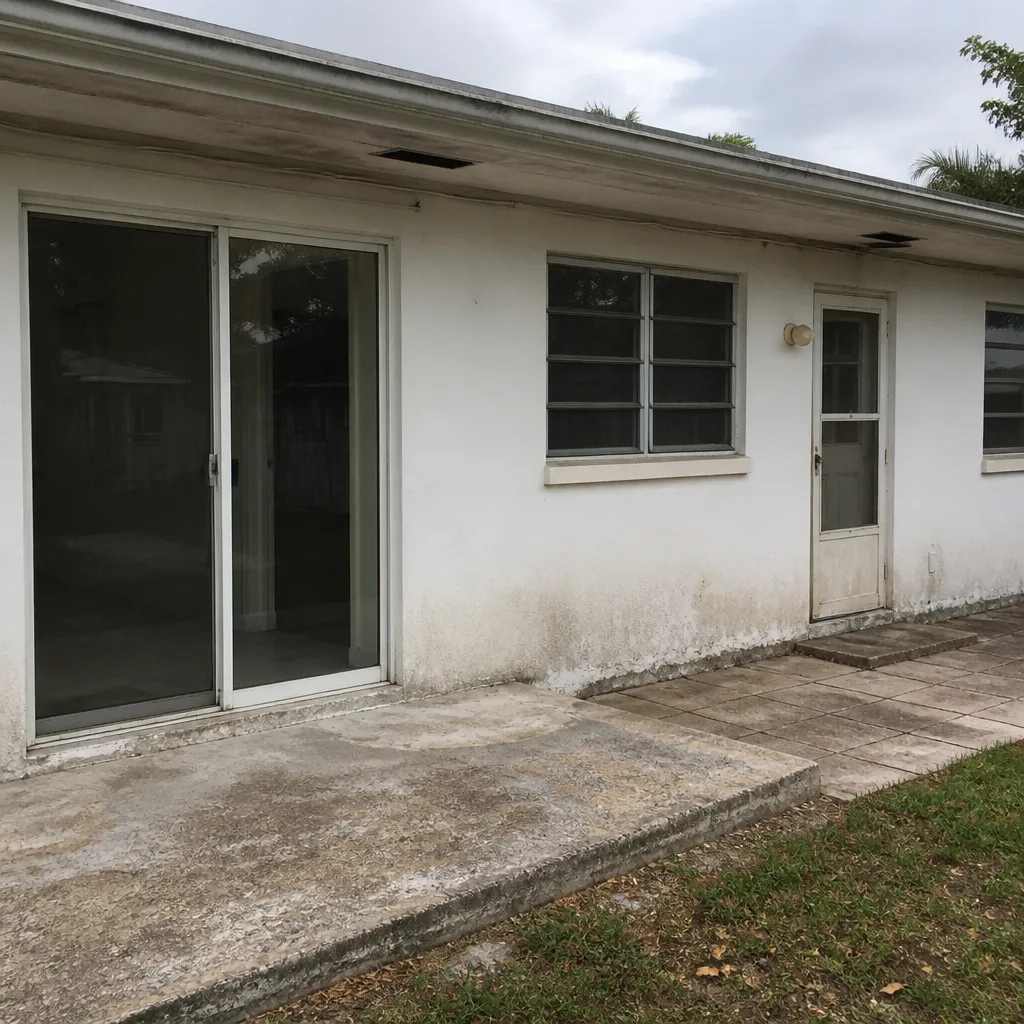 Before
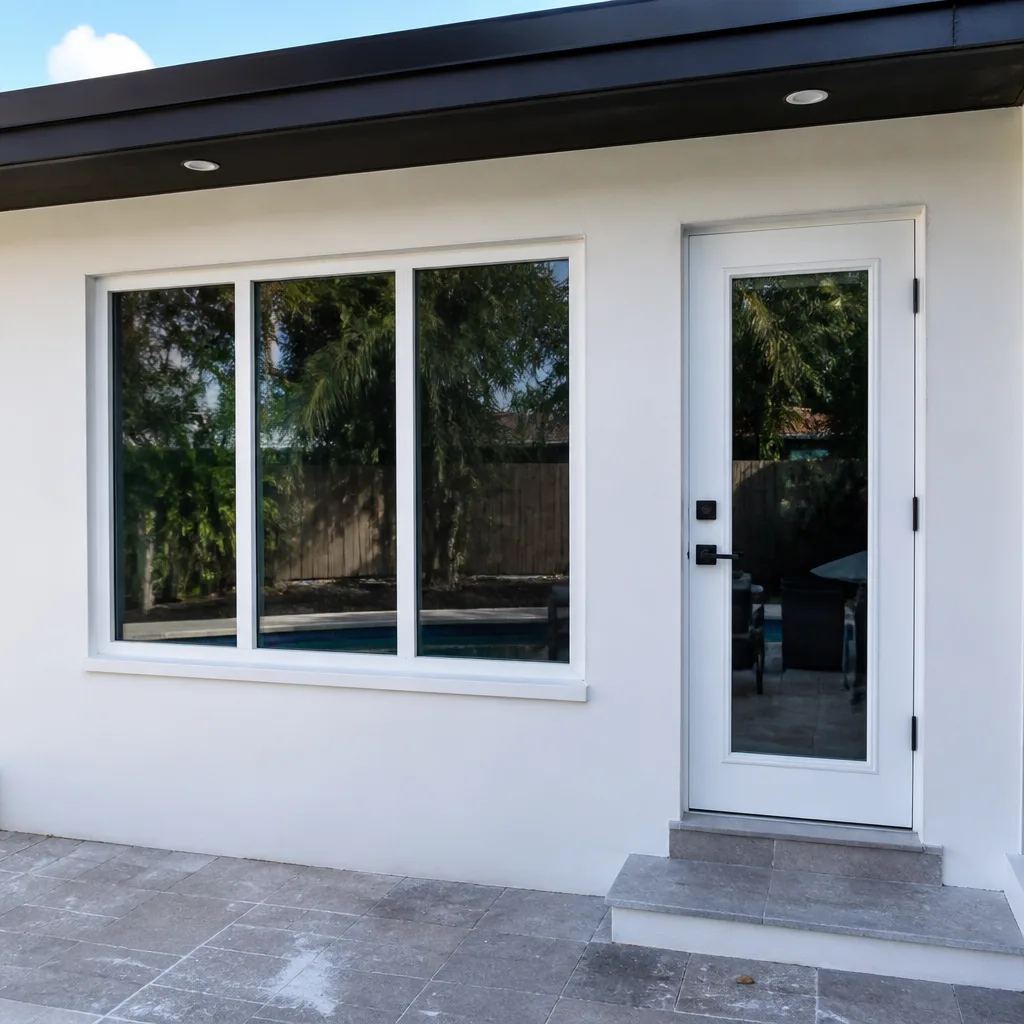 After
After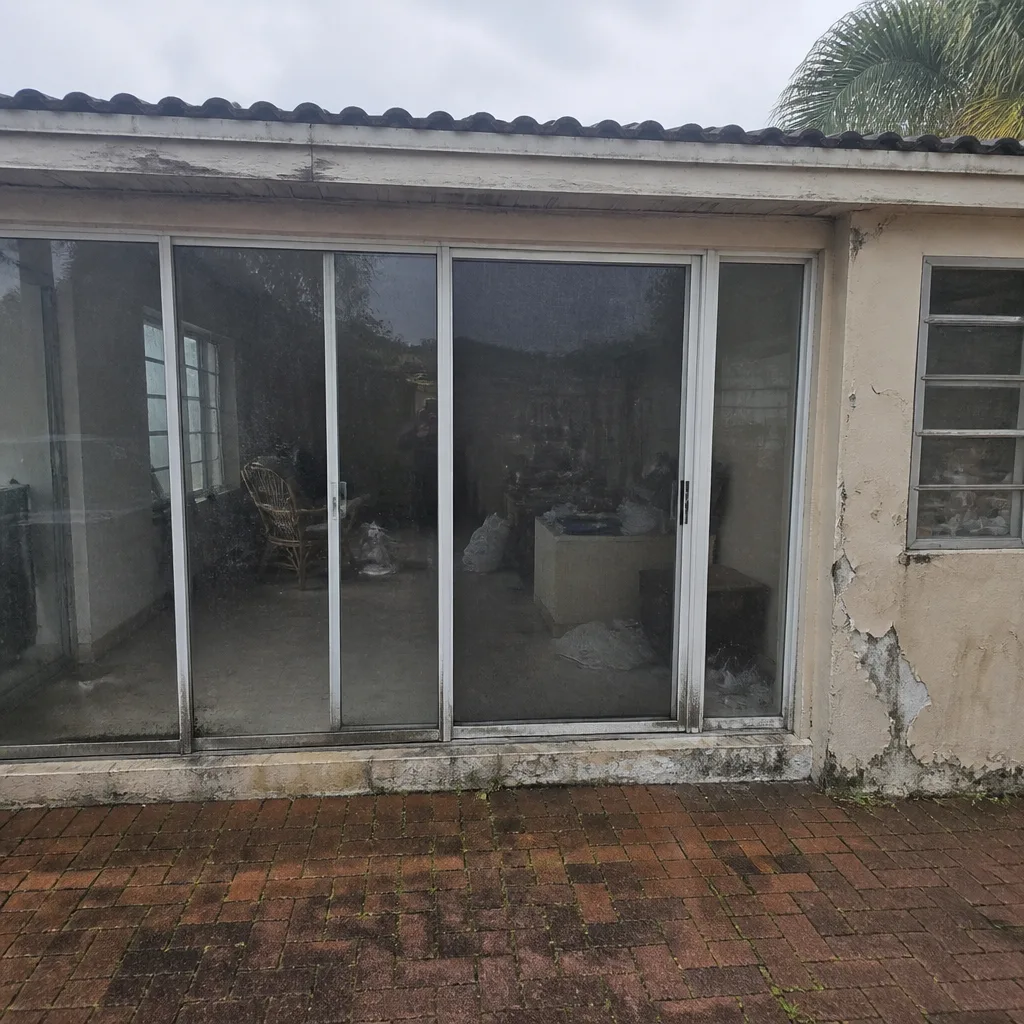 Before
 After
AfterWindows & Doors Permits, Codes & Inspections in FL: What You Need to Know
An unpermitted window replacement in Broward County doesn’t just risk a fine. It can trigger a full removal-and-reinstall order, leaving a homeowner paying twice for the same job. That’s not a worst-case hypothetical. It happens, and it happens more often in Pompano Beach than most homeowners realize. This guide explains the three layers of Florida’s system: the state building code, the county’s High Velocity Hurricane Zone amendments, and the municipal permitting process. You’ll learn what a permit actually protects, when you need one, what an NOA is, why inspections matter for insurance, and how to avoid the mistakes that turn a $2,000 window job into a $5,000 problem.
Quick Answer
In Florida, replacing windows and exterior doors requires a building permit from your local municipality, and the products must carry Florida Product Approval numbers (often documented in a Notice of Acceptance, or NOA). In Broward County, including Pompano Beach, the High Velocity Hurricane Zone (HVHZ) provisions of the Florida Building Code apply, which means impact-rated products and stricter installation standards are mandatory. After installation, the work must pass a final inspection before the permit is closed. Skipping any of these steps risks fines, insurance claim denials, and trouble when you sell the home.
Table of Contents
- Why Florida Permitting Is Different
- NOA vs. Permit vs. Final Inspection: What Each One Actually Means
- How Broward County’s HVHZ Rules Layer on Top of the Florida Building Code
- What “Like-for-Like Replacement” Really Means and When Contractors Misuse It
- Your Legal Responsibility as the Homeowner
- HOA Approval and Municipal Permitting: Running Them in Parallel
- Step-by-Step: The Permitting Process in Pompano Beach
- Common Mistakes to Avoid
Why Florida Permitting Is Different
Florida has the strictest wind-load requirements in the continental United States. The reason is simple: Hurricane Andrew. After that storm flattened entire neighborhoods in 1992, the state rebuilt its building code from scratch. Today, the Florida Building Code (FBC) governs every structural component of a home, including windows and doors. In Pompano Beach, which sits in Broward County’s High Velocity Hurricane Zone, the requirements go further than they do in most of the country. See our Complete Guide to Windows & Doors in Pompano Beach for the full picture.
Here’s what that means for a homeowner replacing a sliding glass door or a bedroom window:
- Impact-rated products are not optional. The HVHZ mandates that windows and doors either be impact-resistant (laminated glass or shutters) or meet specific missile-impact standards. Standard tempered glass from a big-box store won’t pass inspection.
- Installation method matters as much as the product. The code specifies fastener types, anchor spacing, and sealant application. A window that meets product approval but is installed incorrectly will fail inspection.
- Your insurance company is watching. Many Florida insurers require proof of permitted, inspected work before they’ll renew a policy or pay a wind-damage claim. Unpermitted work is a common reason claims get denied after a storm.
We’ve walked through Pompano Beach neighborhoods like Garden Isles and Collier City and seen the same pattern: homes with beautiful new impact windows and no permit on file with the city. The owners didn’t know. The contractor said it was “just like replacing glass.” Now those homeowners have a problem they don’t know about yet. If you’re considering impact windows in Pompano Beach, the permit is not a formality. It’s the document that proves the work was done to code, and it’s what protects your insurance coverage and your resale value.
NOA vs. Permit vs. Final Inspection: What Each One Actually Means
These three documents often get lumped together, but they each do a different job. Homeowners who understand the difference can spot a contractor cutting corners before it costs them money.
Notice of Acceptance (NOA)
An NOA is a document issued by Miami-Dade County or the Florida Department of Business and Professional Regulation that certifies a specific window or door product meets the HVHZ code requirements. Think of it as the product’s hurricane report card. Manufacturers like CGI, CWS, and ES Windows submit their products for testing, and if they pass, they receive an NOA number. That number must appear on your permit application. Without it, the permit won’t be issued. The NOA is tied to the product, not the installation. A window can have a valid NOA and still be installed incorrectly.
Permit
The permit is the legal authorization from the city (in this case, the City of Pompano Beach) to perform the work. It’s issued to a specific address, names a specific contractor, and lists the scope of work. The permit ties the product approvals (NOA numbers) to the installation method. Pulling a permit means the work will be inspected against the code. No permit, no inspection, no proof the work is compliant.
Final Inspection Sign-Off
Once the windows or doors are installed, a city inspector visits the property. They check the product labels against the NOA, verify the fasteners and anchoring, and confirm the installation matches what the permit specified. If everything passes, the permit is closed and a final inspection record is filed. That record is what your insurance company and a future buyer will ask for. We tell homeowners in Pompano Beach to keep the closed permit and final inspection report in the same folder as their deed and survey. It’s that important.
How Broward County’s HVHZ Rules Layer on Top of the Florida Building Code
The Florida Building Code is the baseline. But Broward County operates under a stricter set of amendments called the High Velocity Hurricane Zone, or HVHZ. These amendments originated in Miami-Dade County after Hurricane Andrew and were later adopted by Broward. If you own a home in Pompano Beach, the HVHZ rules are not optional add-ons. They are the law.
Here’s what the HVHZ layer changes in practical terms:
- Product approval requirements. Every window and door must have a Florida Product Approval number or an NOA number valid for use in the HVHZ. Generic “hurricane-rated” marketing language doesn’t count. The permit reviewer will check the exact number.
- Wind load calculations. Your home’s location, height, and exposure determine the design pressure rating required. A home one block from the Intracoastal in Pompano Beach will need higher-rated products than a home in northwest Pompano Beach, farther from the water.
- Installation specs. The HVHZ mandates specific anchor types, spacing, and embedment depths. The margin for error is small. A window anchored 12 inches on center when the spec calls for 8 inches will fail.
- Inspection points. Broward County inspections for windows and doors include a check of the anchoring before the trim covers it. If the inspector can’t see the fasteners, the work gets torn out until they can. That’s why our crews photograph every anchor before it disappears behind trim.
The brands we install are chosen with these rules in mind. ECO Window Systems and CWS both carry product approvals for the HVHZ, and we submit those approval numbers with every permit application in Pompano Beach. It’s not the kind of detail you’ll hear from a national chain. It’s the kind of detail that determines whether your inspection passes the first time.
What “Like-for-Like Replacement” Really Means and When Contractors Misuse It
Florida code includes a limited exemption for “like-for-like” replacements: swapping an existing window or door for a new one of the same size, same type, and same location, without altering the surrounding structure. In some municipalities, that work can proceed without a full permit, though a registration or notice may still be required. Contractors and homeowners misuse this exemption constantly.
Here’s what like-for-like actually means and what it does not mean:
- It does mean the same rough opening dimensions. If the old window is 48 inches by 48 inches, the new one is 48 by 48. Not 50 by 50.
- It does not mean changing a fixed window to an operable one, or a single-hung to a casement. That changes the structural design and requires full permitting.
- It does not mean enlarging the opening, adding a new opening, or moving a door. Any change to the opening size or location is structural work, full stop.
- It does not apply to work in the HVHZ the same way it might apply elsewhere. In Broward County, even like-for-like replacement of windows and exterior doors generally still requires a permit and inspection because the installation must be verified against hurricane code.
The most common misuse we hear about in Pompano Beach goes like this: a contractor tells the homeowner, “It’s just replacing the old window, no permit needed.” Then the crew removes the old window and discovers the opening is out of square, so they reframe it slightly. That reframing is structural work requiring a permit. The homeowner never knows. Fast-forward to a sale or a claim, and the missing permit becomes a problem with a four-figure price tag to fix. The rule we tell every customer: if someone tells you a permit is unnecessary for window or door work in Pompano Beach, get a second opinion. Our DIY vs Professional Windows & Doors: The Pompano Beach Homeowner’s Decision Guide can help you evaluate who’s really qualified. We offer free second opinions on written estimates for exactly this reason. One call can save you from a costly correction later.
Your Legal Responsibility as the Homeowner
This section is uncomfortable to read and important to understand. In Florida, the building permit belongs to the property owner, not the contractor. Even when a contractor “pulls the permit” on your behalf, the legal responsibility for that permit rests with you. If the contractor walks off the job, fails an inspection, or never schedules the final, the open permit stays attached to your address.
What does that look like in practice?
An open permit in Pompano Beach blocks the sale of the home. Title companies and lenders check for open permits, and they will not close with one outstanding. An open permit also signals to your insurance company that the work was never verified, which can trigger a non-renewal or a claim denial after a storm. And the city has the authority to issue a code enforcement action requiring you to either complete the permitted work or undo it, at your own expense.
Here are the steps every homeowner in Pompano Beach should take to protect themselves:
- Verify the permit before work starts. Ask the contractor for the permit number and confirm it with the City of Pompano Beach Building Department. A legitimate contractor will hand you this without hesitation.
- Insist the permit is in your name, with the contractor listed as the qualifier. Never agree to work under a “homeowner permit” that a contractor offered to keep things simple. That arrangement strips away almost all of your legal protection if the work is defective.
- Require proof of final inspection. The permit is not a green light; it’s a start signal. The final inspection is the finish line. Ask for a copy of the final inspection report and keep it forever.
- Document everything in writing. The scope of work, the product approval numbers, the permit number, and the inspection schedule should all be in writing before the first window comes out.
We’ve been doing window installation in Pompano Beach since 2011, and we have never asked a homeowner to accept a permit arrangement that puts them at risk. Ed Winslow’s name is on the door, and the permit is in your name, every time, no exceptions.
HOA Approval and Municipal Permitting: Running Them in Parallel
If you live in a community with a homeowners association in Pompano Beach, like Harbor Village or Garden Isles, you’re dealing with two approvals: the city’s permit and the HOA’s architectural review. Homeowners often treat these as sequential steps: get HOA approval, then start the permit. That sequence can add three to six weeks to your project, and it doesn’t have to.
The HOA approval process is not the city’s permitting process. They’re separate tracks with separate requirements, and you can run them at the same time. Here’s how:
- Request the HOA architectural guidelines first. Most Pompano Beach HOAs have a written standard for window and door replacements: acceptable colors, styles, and sometimes specific product lines. Get this document before you select products, not after.
- File the HOA application and the permit application in the same week. The city doesn’t care what your HOA thinks, and the HOA doesn’t care about your NOA numbers. Neither process blocks the other.
- Note HOA deadlines honestly. Many HOAs have a 30- to 45-day review window. That’s time the permit process can be running concurrently. By the time the HOA signs off, your permit is likely near approval.
- Align product selection with both tracks. Choose a window that meets the HVHZ code and also satisfies HOA style requirements. The brands we carry, including CWS and ECO Window Systems, offer multiple frame finishes and styles that satisfy most Pompano Beach architectural guidelines.
The worst mistake is waiting on HOA approval before even starting the permit. We’ve seen homeowners in Pompano Beach lose an entire season waiting for a committee that meets once a month. Run both tracks from day one, and you’ll be installing weeks earlier.
Step-by-Step: The Permitting Process in Pompano Beach
Every municipality has its own paperwork rhythm. Here’s the process as it works in Pompano Beach, step by step. This is the sequence we follow for every window replacement in Pompano Beach.
- Site inspection and measurements. A technician measures every opening, documents the existing conditions, and notes any structural issues that could affect installation. This is when we identify wind load requirements based on the home’s location.
- Product selection with NOA verification. The windows or doors are selected, and the product approval numbers are pulled. No approval number, no permit.
- Permit application submitted to the City of Pompano Beach. The application includes the product approvals, the installation details, and the contractor’s license information. The city reviews it for code compliance.
- Permit issued. Once the city approves the application, the permit is issued and work can begin. In Pompano Beach, this typically takes one to three weeks depending on the city’s workload.
- Demo and installation. The old windows come out, and the new ones go in, with every anchor placed according to the approved plans. We photograph the anchors before trim covers them, because the inspector will want proof.
- Rough inspection (if required). Some jobs require an inspection before the trim goes up, so the inspector can see the anchoring in the wall. Your home’s specific permit will list which inspections are required.
- Final inspection. An inspector from the city verifies the work matches the permit, the products match the NOAs, and the installation meets code. The permit is then closed and the final inspection record is filed.
- Closed permit delivered to the homeowner. You receive the paperwork proving the job was done right. This goes in your file for insurance and resale.
That last step matters. A closed permit is your receipt. If a contractor ever tells you the permit “doesn’t really matter” or “can be closed later,” that’s a signal you’re working with the wrong company. Ed Winslow’s name is on the door, and on every job we do.
Common Mistakes to Avoid
- Skipping the permit because “it’s just a window swap.” In Pompano Beach, even like-for-like window replacement in the HVHZ generally requires a permit. An unpermitted install becomes a lien, a fine, or an insurance denial later.
- Using a contractor who asks you to pull a “homeowner permit.” That arrangement sounds friendly but shifts liability from the contractor to you. If the work fails inspection, you’re holding the open permit and the repair bill.
- Buying windows before checking the NOA. A beautiful window with no Florida Product Approval number is a paperweight in Broward County. Verify the approval before money changes hands.
- Treating HOA approval and city permitting as sequential. Run them in parallel and save three to six weeks. File both applications at the same time.
- Not keeping the closed permit and final inspection report. These documents are worth thousands of dollars at resale and can be the difference between a paid claim and a denied one after a hurricane.
- Assuming the inspector will catch everything. Inspectors verify code compliance, not workmanship. A sloppy install can pass inspection and leak six months later. Hire a contractor who stands behind the work, not just the paper.
- Choosing price over documentation. The lowest bid often includes a missing permit, a missing NOA, or an installer who disappears. If the price seems too good, ask for the permit number. The silence will tell you what you need to know.
When to Call a Professional
You should call a professional any time you’re replacing exterior windows or doors in a Florida HVHZ home, and especially in Pompano Beach, where the city’s permitting process and the county’s wind-load rules meet. If you’re unsure whether your existing windows have a permit on file, if a contractor is telling you a permit isn’t needed, or if you’ve inherited an open permit from a past owner, that’s a call worth making today. A professional can check your property’s permit history, pull current product approvals for brands like CGI and CWS, and help you get to a closed permit without the guesswork. Winslow Windows & Doors offers free estimates in Pompano Beach. Call (904) 893-3309 and someone will answer, 24/7, ready to help you sort it out.
Frequently Asked Questions
Yes. In Pompano Beach, which falls under Broward County’s HVHZ, window replacement requires a building permit, and the products must carry Florida Product Approval or NOA numbers. Even like-for-like replacements generally require a permit and final inspection.
Unpermitted window replacement can lead to code enforcement fines, a removal-and-reinstall order, insurance claim denials, and difficulty selling the home, since open or missing permits are flagged during title searches and lending checks. Learn the warning signs in our Windows & Doors Warning Signs: A Pompano Beach Homeowner’s Reference Guide.
An NOA certifies that a specific window or door product meets HVHZ code requirements. A permit authorizes the installation work at a specific address. Both are required in Pompano Beach, and one does not substitute for the other.
Not in most cases. While the Florida Building Code allows limited like-for-like exemptions in some areas, Broward County’s HVHZ rules generally require a permit and inspection even for same-size, same-location replacements, because the installation itself must be verified against wind-load standards.
The homeowner. The permit belongs to the property, and the legal responsibility for closing it rests with the owner. If a contractor abandons the job or fails an inspection, the open permit stays on the property and becomes the homeowner’s problem to resolve.
Permit review in Pompano Beach typically takes one to three weeks depending on the city’s current workload. The timeline shortens when the application is complete with product approval numbers and proper installation details the first time. Call (904) 893-3309 for help with the process in Pompano Beach.
The Bottom Line
Florida’s permitting system for windows and doors is layered by design: the Florida Building Code sets the baseline, Broward County’s HVHZ amendments raise the bar, and the City of Pompano Beach enforces both through permitting and inspection. Skipping any layer creates hidden risk that surfaces when the hurricane hits, when the claim is filed, or when the house goes on the market. The fix is simple: verify the NOA, pull the permit, run the HOA process in parallel, and keep the closed permit forever. At Winslow Windows & Doors, we’ve done it that way since 2011. Call (904) 893-3309 for a free estimate, a free second opinion on any written estimate, and a live person on the line, every time.
Written by Ed Winslow, Owner at Winslow Windows & Doors, serving Pompano Beach since 2011.
Six Reasons Homeowners Choose Winslow Windows & Doors
Impact systems engineered to design pressures up to +/-100, matched to your wind zone - your openings hold when the storm arrives.
Low-E insulated impact glass from our manufacturer lines commonly cuts monthly cooling bills 20-30%.
Laminated impact glass shuts out up to 40% of outside noise - traffic, neighbors, weather.
Monitoring services run $30-90 a month. Laminated impact glass resists forced entry around the clock, with no subscription.
Florida homeowners average around 25% savings on the windstorm portion of their policy after protecting every opening - some homes qualify for more.
A full impact package upgrades curb appeal, buyer confidence and appraised value in one project.