
Last updated August 27, 2026
Free in-home measure and quote - PGT, CGI and CWS impact lines compared on your actual openings, style by style




Entry doors

CGI
 Before
 After
After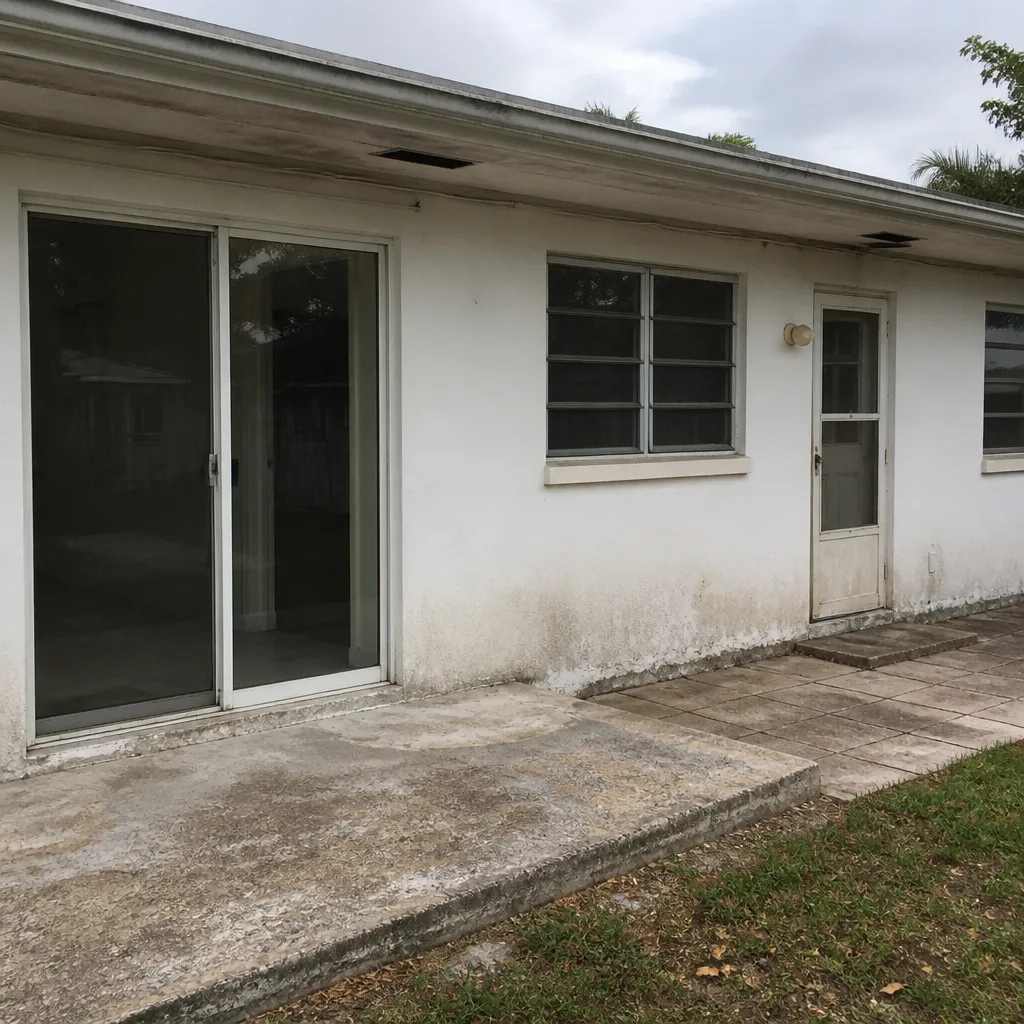 Before
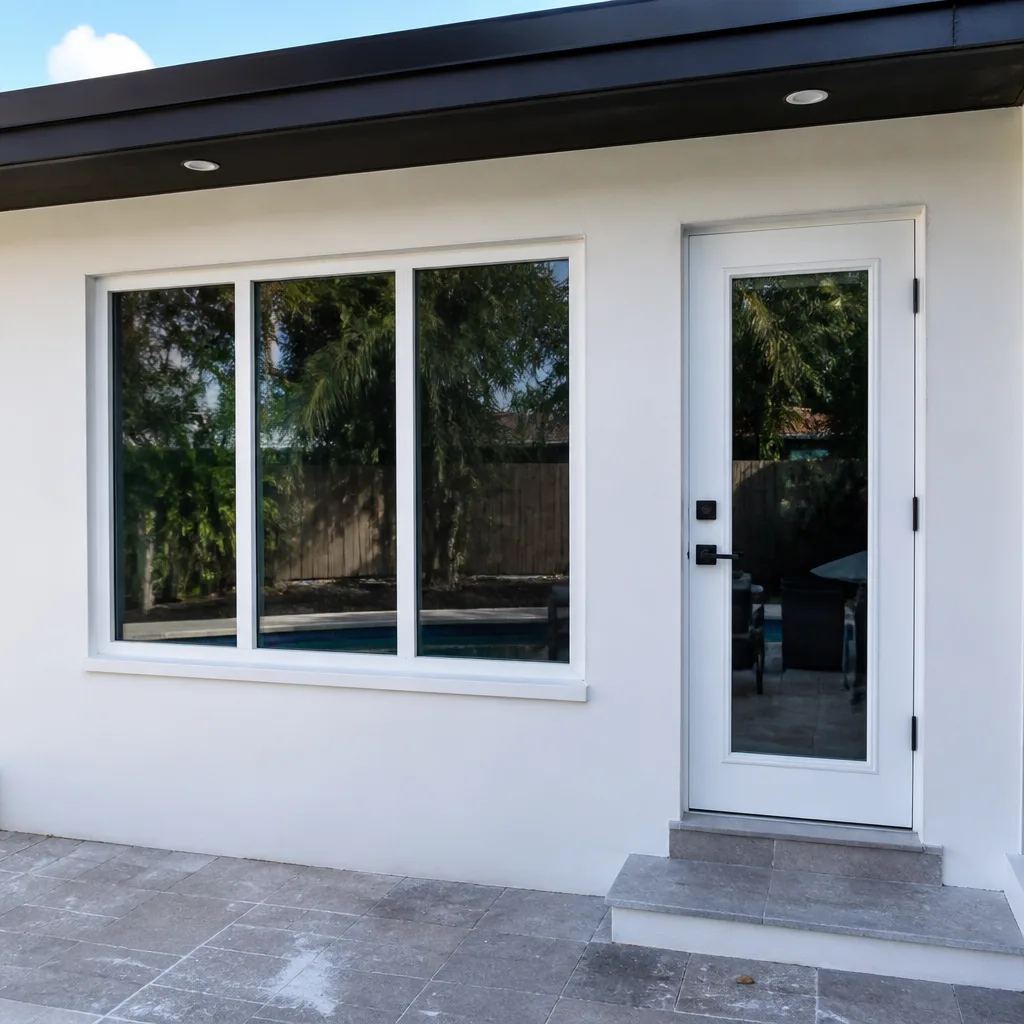 After
After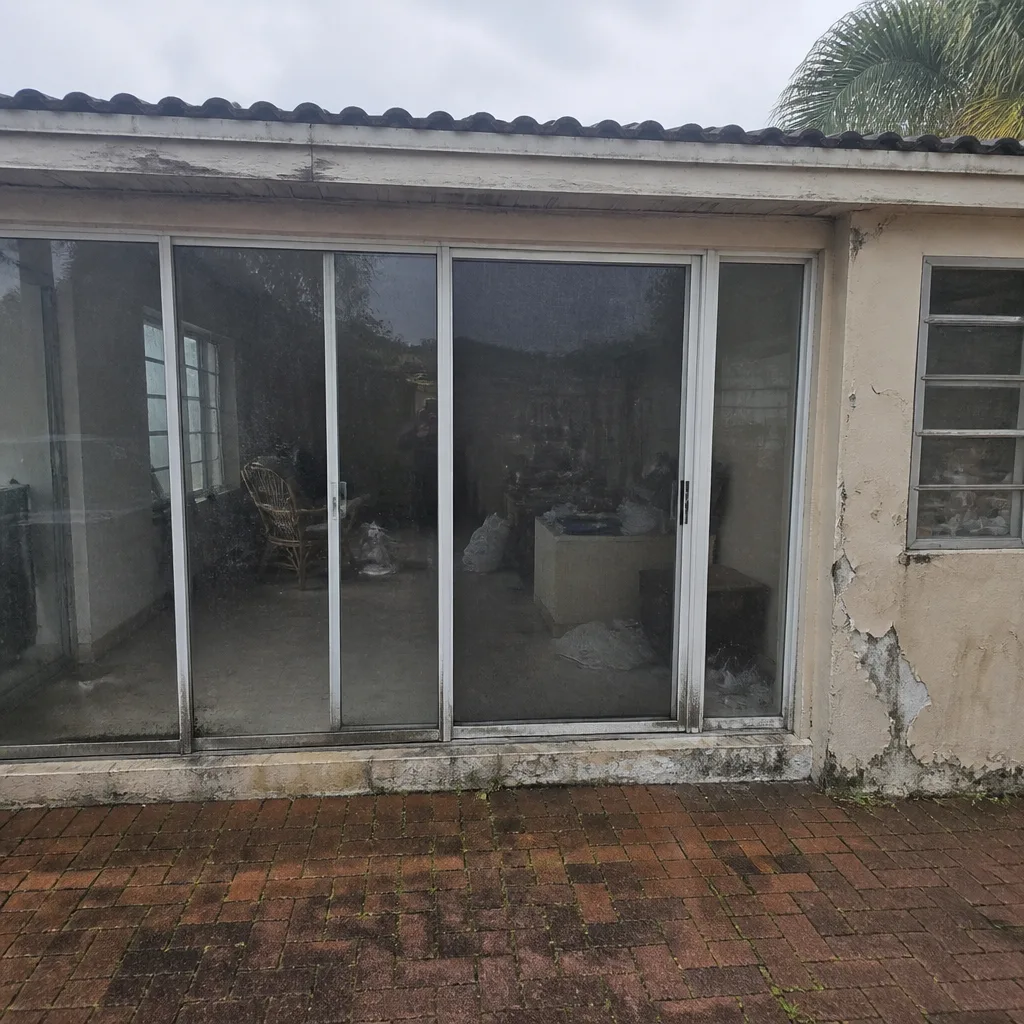 Before
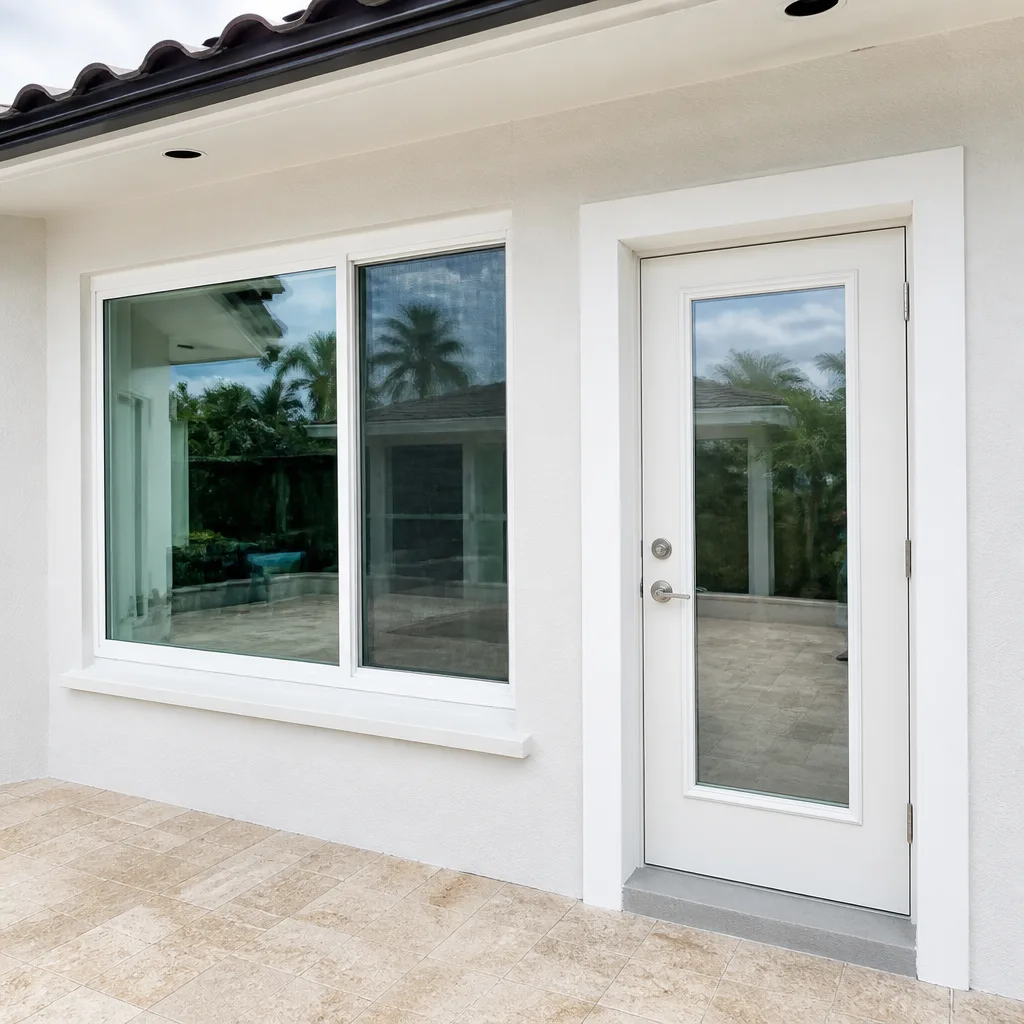 After
AfterSeasonal Windows & Doors Care for Pompano Beach: Year-Round Homeowner’s Guide
June 1st is the official start of hurricane season, but the preparation work that actually protects your windows and doors needs to be finished by April. Most Pompano Beach homeowners start too late, then find themselves competing with thousands of neighbors for the same contractors, the same impact-rated glass, and the same installation slots during the two weeks before a named storm. This guide rebuilds your maintenance calendar around South Florida’s actual weather pattern: a long, hot, humid stretch from May through October, and a shorter, drier, salt-heavy stretch from November through April. You’ll learn exactly what to check, when to check it, and which tasks genuinely matter for a home in Pompano Beach. For related reading, see our Windows & Doors Warning Signs: A Pompano Beach Homeowner’s Reference Guide.
Quick Answer
Window and door maintenance in Pompano Beach follows two seasons, not four. The dry season (November through April) is for deep cleaning, salt removal, sealant inspection, and screen replacement. The wet season (May through October) is for storm-readiness checks, drainage verification, and post-storm assessments. Building your care calendar around these two windows, with heavy preparation work finished by April 30th, is the single most effective way to protect your investment.
Table of Contents
- The Real Pompano Beach Calendar: Two Seasons, Not Four
- Dry Season Tasks (November Through April): Salt, Sun, and Sealant
- The Pre-Season Inspection Protocol (February Through April)
- Storm Watch vs. Storm Warning: The Sequence That Matters
- Post-Storm Assessment: What Most Homeowners Skip
- Creating Your Home Maintenance File: What Adjusters and Inspectors Actually Credit
- Common Mistakes to Avoid
- When to Call a Professional
- Frequently Asked Questions
- The Bottom Line
The Real Pompano Beach Calendar: Two Seasons, Not Four
Anyone who has lived in Pompano Beach for a full year knows that “winter” here means a few cool mornings in January and “spring” is a two-week stretch in March. Applying a generic four-season maintenance calendar to windows and doors in this climate misses the two forces that actually damage your home: salt and wind-driven water. Salt spray from the Atlantic corrodes hardware, pits glass over time, and wears down weatherstripping faster than any summer in Ohio ever could. In Pompano Beach, the humid months run from roughly May through October, with hurricane activity peaking between mid-August and late October. The drier months, November through April, give you a practical window for tasks that require dry surfaces and cured sealants.
Here is the framework we recommend to homeowners throughout Pompano Beach, from the beachside condos along A1A to the single-family homes off McNab Road:
- November through February: Deep cleaning, salt removal, hardware lubrication, and scheduling any window or door replacement work for the year.
- February through April: Pre-hurricane-season inspection. This is the period when contractors still have availability and you can make repairs without storm pressure.
- May through October: Active monitoring. Quick visual checks before any forecasted storm, plus immediate post-storm assessments.
- After any named storm: A specific post-storm inspection protocol, which we cover below.
The homeowners who get the most life out of their windows and doors in Pompano Beach are not the ones with the most expensive products. They are the ones who do the right task in the right month. That is what this guide is built around.
Dry Season Tasks (November Through April): Salt, Sun, and Sealant
The dry season in Pompano Beach is your maintenance season. Lower humidity means sealants cure properly, surfaces stay dry, and you are not fighting afternoon thunderstorms. Here is what matters.
Salt Spray Removal: The Task Everyone Undervalues
Salt spray from the Atlantic travels surprisingly far inland in Pompano Beach, especially on days with an east wind. It settles on window frames, door hardware, tracks, and glass. Left alone, it accelerates corrosion on aluminum frames, eats through powder coating, and clouds glass over several years. We have seen sliding glass doors off Cypress Bend and the Gardens neighborhoods where the lower track looks like it sat in seawater, simply because salt was never rinsed off.
What to do: During the dry season, rinse window and door exteriors with fresh water from a garden hose every 30 to 60 days. For homes east of Federal Highway, or within a few blocks of the Intracoastal, do this monthly. After rinsing, wipe frames dry with a microfiber cloth. For glass, a mix of mild dish soap and water removes salt film without damaging tints or low-E coatings. Avoid ammonia-based cleaners, which can degrade window film over time.
Sealant Inspection and Reapplication
UV exposure in Pompano Beach is relentless. Average daily UV index here runs high nearly year-round, and that breaks down exterior sealants faster than most national maintenance guides acknowledge. Caulk and weatherstripping around window frames and door jambs can start cracking within two to three years after installation.
What to check: Run your finger along the exterior caulk lines around every window and door. If the caulk is hard, cracked, pulling away from the frame, or missing in sections, it needs to be removed and replaced. For weatherstripping, close each door and window and check for visible daylight or feel for air movement. In Pompano Beach, failed weatherstripping does not just hurt energy bills; it allows wind-driven rain into the wall cavity during summer storms.
Timing: Schedule sealant work between November and February. Fresh sealant needs dry conditions to cure properly, and doing this work in the wet season means the material may fail prematurely.
Screen Replacement: Dry Season Only
Screens in Pompano Beach take a beating from sun, salt, and insects. Torn screens are not a cosmetic issue; they let in mosquitoes, no-see-ums, and the occasional palmetto bug. The dry season is the right time to replace screens because you can remove a screen without inviting every insect in Broward County into your home for a week.
If your screens are torn in more than one panel or the frame is bent, it is usually more cost-effective to replace the entire screen unit rather than patch. Most window manufacturers, including PGT and CGI, offer replacement screens sized to their specific frame profiles. Universal screens rarely fit well on impact-rated windows.
Hardware Lubrication
Lock mechanisms, hinges, and roller tracks accumulate salt and dust through the wet season. Lubricate all moving parts once during the dry season, ideally in November and again in March. Use a silicone-based lubricant, not WD-40. Silicone does not attract dust, does not break down in high humidity, and will not drip onto painted surfaces. For sliding door tracks, clean the track thoroughly first, then apply a light coating of silicone spray to the rollers. For door hinges and lock cylinders, a few drops of a dry lubricant is all you need.
If you are replacing windows or doors this year, the dry season is also the right time to plan that work. Contractors in Pompano Beach are significantly less slammed from November through March, which means more scheduling flexibility and more attention to detail. You can start exploring options through our Window Installation in Pompano Beach page or visit our Winslow Windows & Doors home page to see what a locally owned company offers.
The Pre-Season Inspection Protocol (February Through April)
Here is the number most homeowners do not internalize: in the two weeks before a hurricane watch, almost every qualified window and door contractor in Broward County is fully booked. If you discover a failed seal, a cracked frame, or a door that no longer closes flush in June, you may not get it repaired before the peak of storm season. That is why the real preparation work must happen in February, March, and April. For details on what drives replacement costs, read our Windows & Doors Cost Breakdown: The Pompano Beach Homeowner’s Reference for 2026.
This pre-season inspection covers three areas that matter most for a Pompano Beach home: hardware, seals, and frame integrity. Here is the step-by-step protocol we walk customers through.
- Check every lock and latch operation. Open and close every window and door in the house. Each one should operate smoothly, without grinding, sticking, or requiring excessive force. A lock that does not fully engage is a security problem and a water-entry point during a storm.
- Inspect weatherstripping on every door and operable window. Close the unit and look from the outside for any light gap. If you see daylight, water will find the same gap during a summer downpour.
- Examine the exterior frame for hairline cracks. Pay particular attention to corners, where stress concentrates. Hairline cracks in aluminum or vinyl frames are entry points for water and can widen under wind load.
- Look for condensation between double-pane glass. If you see fogging inside the glass unit, the seal has failed and the insulating gas has escaped. This is a replacement issue, not a repair issue.
- Test every window’s ability to lock. On impact-rated windows, the locking points are part of the structural system. A window that does not lock fully is not performing to its impact rating.
- Check window and door drainage weep holes. Most windows and sliding glass doors have small weep holes along the bottom track that channel water out. If they are clogged with dirt or salt buildup, water will pool and eventually enter the home.
- Document everything with photos. Even if everything looks fine, take photos of each window and door from inside and outside. This creates a baseline for your maintenance file, which becomes genuinely useful if you ever file an insurance claim.
If this inspection reveals any issues, February through April is when you want to address them. The contractors you want, the ones with real experience in Pompano Beach and no shortage of work in August, have open schedules in March. You get faster service, more attention, and you avoid the panic pricing and rushed decisions that happen in the days before a storm.
For homes with older windows that were not built to current Florida Building Code impact standards, this pre-season window is also the right time to consider replacement. Our Impact Windows in Pompano Beach guide covers what current code requires and what installation actually involves.
Storm Watch vs. Storm Warning: The Sequence That Matters
When a named storm approaches Pompano Beach, the National Weather Service issues two levels of alert, and each triggers a different set of window and door responsibilities. The sequence matters, because preparation done too early wastes effort, and preparation done too late puts your home at risk.
During a Hurricane Watch (48 hours out)
A hurricane watch means hurricane conditions are possible within 48 hours. This is your window for all non-destructive preparation.
- Close and lock every window and door in the house. This seems obvious, but in the rush of storm prep, an unlocked window on the leeward side of the house is easy to forget. A locked window transfers wind load through the frame as designed; an unlocked one can rattle open and let the entire pressure system fail.
- Remove all objects from window sills and door thresholds. Potted plants, decorations, and furniture become wind-borne projectiles. Store them inside.
- Check exterior door sweeps. Door sweeps are the rubber strips along the bottom of exterior doors. During wind-driven rain, a worn sweep allows water to push under the door. If yours is cracked or missing, this is the time to replace it.
- Verify that all weep holes are clear. One more check before the rain starts. A clogged weep hole means a full water channel inside the frame.
- Charge your phone and photograph every window and door. Pre-storm photos become the evidence you need if you have to file a claim later.
During a Hurricane Warning (36 hours out)
A hurricane warning means hurricane conditions are expected within 36 hours. By this point, all major preparation should be complete. What remains is final protective action.
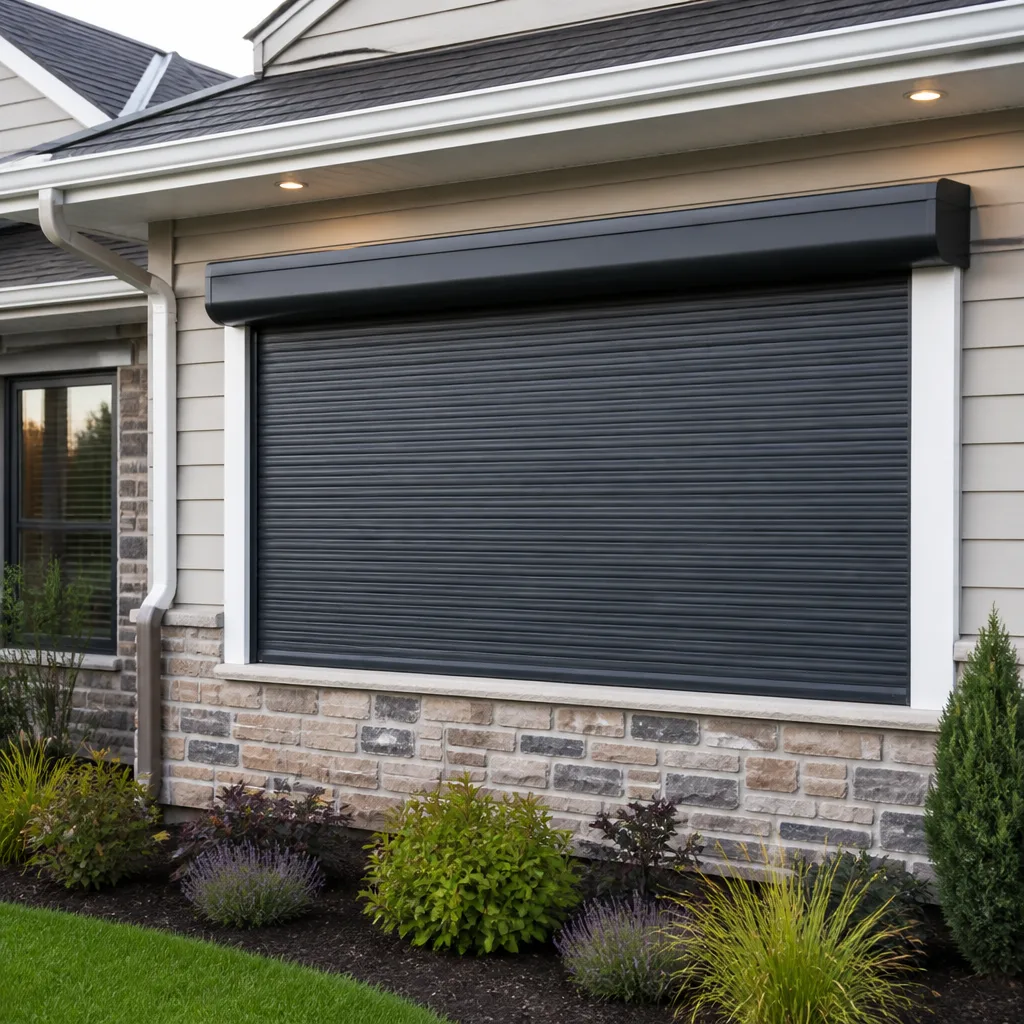
- Install any removable storm shutters or panels. If you have accordion shutters, roll-downs, or panel systems, now is the time to deploy them, over every window and glass door, including sidelights around entry doors.
- Move vehicles away from garage doors. Your garage door is typically the largest single opening in the home and the most common point of structural failure during a hurricane. If your garage door is not impact-rated, brace it, but understand that bracing is a partial measure, not a substitute for a rated door.
- Lock every interior door and close every interior door. Closed interior doors compartmentalize pressure if a window or exterior door fails. This is a small step that can prevent catastrophic roof uplift in a severe storm.
- Stay away from windows, even impact-rated ones. Impact-rated glass is designed to survive a 2×4 projectile at 50 feet per second, but no window manufacturer will tell you to stand next to one during a Category 4 storm. The glass holds; the missile still makes a sound you will not forget.
One note on impact windows during a storm: impact-rated windows do not require shutters. That is their entire purpose. Properly installed PGT, CGI, and CWS impact windows are designed and tested to withstand both the impact and the pressure cycling of a hurricane without additional protection. If your windows are impact-rated, your preparation responsibility is simply to close and lock them. If you are unsure whether your windows are truly impact-rated, check for a permanent label etched in the corner of the glass or check the documentation the previous owner passed along. If that documentation does not exist, a pre-season inspection can determine what you actually have. For regulatory background, see Windows & Doors Permits, Codes & Inspections in FL: What You Need to Know.
Post-Storm Assessment: What Most Homeowners Skip
After a storm passes Pompano Beach, the natural instinct is to check for obvious damage: broken glass, water on the floor, a door blown open. But the damage that matters most over the long term is usually invisible. This post-storm protocol covers what most homeowners skip, and what we have learned to check after years of storm seasons in South Florida.
Micro-Fractures in Impact Glass
Here is the most important thing to understand about impact glass: it can sustain damage you cannot see with the naked eye. A piece of impact glass stops a projectile, but the impact can create micro-fractures within the glass layers that weaken the entire unit. The glass still looks fine. It is not fine. The next impact, even a smaller one, could cause a full failure.
What to do: After any significant storm, inspect every window and glass door closely using a flashlight held at a sharp angle to the glass surface. Look for any hairline lines, any distortion, any small “spider web” marks, or any small circular indentation where a piece of debris struck. If you see anything, call a professional for an assessment. Impact glass with micro-fractures should generally be replaced, not repaired. Insurance policies in Florida often cover this replacement, but only if the damage is documented and reported within the policy window.
Frame Stress Indicators
Wind load does not just test glass; it tests the entire frame system including the anchors that hold the frame to the house. After a storm, check the drywall and stucco immediately around every window and door, inside and out. Hairline cracks that run diagonally from the corners of a window can indicate that the unit shifted under wind load. Check that each window and door still opens, closes, and locks normally. A door that bound before the storm and is stiff after may have a warped frame.
Drainage Verification
After heavy rain, check the interior side of every window and sliding glass door. Look for water stains on drywall, soft spots in windowsills, or water tracks on the floor. On the exterior, check that weep holes are still clear, because storm debris often clogs them. Run a small amount of water through the track of every sliding door to confirm it drains to the exterior and not into the wall.
Hardware Function
Salt water from storm surge or wind-blown spray can corrode hardware fast. After any storm that brought seawater inland, lubricate all locks, hinges, and tracks as soon as practical. Pay special attention to multipoint locks on French doors and sliding glass doors, which have more moving parts and more places for corrosion to start.
This post-storm assessment is the most skipped task in Pompano Beach, because homeowners are tired, the storm is over, and everything looks fine. If you do nothing else after a storm, do the micro-fracture check. It is the difference between catching a weakened window in October and discovering it in August when the next storm hits.
Creating Your Home Maintenance File: What Adjusters and Inspectors Actually Credit
If you ever file a wind or water damage claim, or sell your Pompano Beach home, the maintenance history of your windows and doors matters in ways most homeowners never realize until it is too late. Insurance adjusters and home inspectors work from documentation. A verbal claim that you “kept everything up” is worth almost nothing. A dated, photographed maintenance file is worth real money.
Here is how to build a file that adjusters and inspectors will actually credit.
- Start with the installation records. Keep the product documentation from your window and door installation: manufacturer, model, impact rating, installation date, and the name of the installer. If you do not have this, the permit record with the City of Pompano Beach is your next best source.
- Add your pre-season inspection photos each year. The photos you take in March become a baseline. If you later file a claim for storm damage, you have dated proof of the pre-storm condition. This makes it much harder for an adjuster to claim the damage pre-existed the storm.
- Log every maintenance task with a date and a photo. “November 12: rinsed exterior windows and doors for salt removal” with a photo attached. “March 8: lubricated all door hinges and window locks.” Two minutes of documentation per task.
- Keep receipts for any professional work. Even a minor repair receipt proves the home was maintained. Gaps in the maintenance record are what adjusters look for when they want to deny a claim.
- Store it digitally and in paper. Keep a folder in the house and a backup in the cloud. After a storm that damages your home, the paper copy may be destroyed, and the digital copy becomes your only record.
- If you sell, hand the file to the buyer. A complete maintenance file is a genuine selling point for a Pompano Beach home. It tells the buyer that the impact windows were maintained, not just installed. In our experience, this file can add real value at sale time, because it removes the buyer’s biggest fear: buying a home with impact windows of unknown condition.
This maintenance file is also exactly what a quality inspector wants to see when you bring in a professional for a pre-season check. If you are considering Window Replacement in Pompano Beach, having your history in order helps you make a smarter decision about whether repair or replacement is the better investment.
Common Mistakes to Avoid
- Starting storm prep in June. By the time hurricane season officially begins, the best contractors in Pompano Beach are already booked for the year. February through April is when preparation actually happens.
- Skipping salt removal for months at a time. Homes east of Federal Highway especially need fresh-water rinses every 30 days during the dry season. Salt damage is cumulative and quiet until it is expensive.
- Using ammonia-based glass cleaner on windows with film or low-E coatings. Ammonia degrades the coating and causes clouding over time. Mild soap and water is the safest choice for every glass surface.
- Lubricating window and door hardware with WD-40. WD-40 is a water displacer, not a long-term lubricant. It attracts dust and dries out. Silicone spray is the correct product for tracks, rollers, and hinges.
- Assuming impact windows are maintenance-free. Impact-rated windows from brands like PGT and CGI protect your home, but seals, hardware, and tracks still need seasonal attention. The rating does not exempt you from upkeep.
- Not documenting maintenance. If you cannot prove you maintained your windows and doors, your insurance company has an easier time denying a claim. Photos and dated logs matter.
- Waiting until a storm watch to check locks and seals. A failed lock or a torn door sweep discovered 48 hours before landfall often cannot be fixed in time. That is what the February-to-April inspection is for.
When to Call a Professional
Some window and door tasks are safe for any Pompano Beach homeowner: rinsing for salt, lubricating hardware, checking weep holes, documenting condition. Others are not. If you find condensation between double-pane glass, the seal has failed and the entire glass unit or window needs replacement. If you see micro-fractures in impact glass after a storm, that unit should be professionally assessed. If a door or window no longer operates properly after a storm, the frame may have shifted under wind load. If you are considering replacing windows or doors with current-code impact-rated products, installation requires specific knowledge of Florida Building Code anchoring requirements and product-specific installation methods. A poorly anchored impact window is worse than no impact window at all, because it gives you confidence without providing protection. Winslow Windows & Doors offers free estimates in Pompano Beach. Call (904) 893-3309 and Ed Winslow or one of our background-checked technicians will walk you through what you actually need.
Frequently Asked Questions
Exterior windows should be rinsed with fresh water every 30 to 60 days during the dry season, more often if you live east of Federal Highway or within a few blocks of the Intracoastal where salt spray is heaviest. Full cleaning with soap and water is a quarterly task for most Pompano Beach homes. Call (904) 893-3309 if you see persistent clouding that cleaning does not remove; that is often a sign of a failed seal, not a cleaning problem.
Yes. Impact windows from manufacturers like PGT, CGI, and CWS are designed to survive hurricane conditions, but their seals, hardware, and frames need the same seasonal attention as any other window. Salt removal, sealant checks, and hardware lubrication are still required in Pompano Beach. The impact rating protects you during a storm; maintenance is what keeps that rating performing for decades.
Look for a permanent label etched into the corner of the glass, usually on one pane of each window unit. The label will identify the manufacturer, the impact standard it meets, and the test it passed. If you cannot find a label, or the windows predate the current Florida Building Code, they may not be impact-rated. A professional inspection can tell you definitively.
The dry season, November through April, is the best time for window and door replacement in Pompano Beach. Installers have more availability, weather is more predictable, and sealants cure better in lower humidity. We recommend scheduling consultations in February or March so the work is complete before hurricane season begins.
No. Properly installed and labeled impact windows are designed to withstand hurricane conditions without additional shutter protection. Shutters over impact windows are redundant and can actually complicate egress in an emergency. If you are considering shutters, you may have non-impact windows, and that is a different conversation entirely. Call (904) 893-3309 for an honest assessment of what you actually have.
Well-maintained windows in Pompano Beach typically last 15 to 25 years, depending on the brand, material, and exposure to salt spray. Coastal homes with heavy salt exposure may see shorter lifespans on hardware and frames even when the glass itself is fine. The maintenance practices in this guide extend that lifespan meaningfully. When replacement is needed, Impact Windows in Pompano Beach are the standard choice for coastal Broward County homes.
The Bottom Line
Pompano Beach homeowners do not need a four-season maintenance calendar. They need a two-season system built around salt and storms. The dry season, November through April, is for deep cleaning, salt removal, sealant work, screen replacement, and the pre-season inspection that actually matters. The wet season, May through October, is for monitoring, storm-watch preparation, and rigorous post-storm assessment, especially checking impact glass for micro-fractures. Document everything. Build a maintenance file that insurance adjusters and home inspectors will respect. And start early. The work you do in February and March is what protects your home in August and September. Explore more guides & resources for maintaining your home year-round.
Written by Ed Winslow, Owner at Winslow Windows & Doors, serving Pompano Beach since 2011.
When you need a straight answer about your windows and doors, call us at (904) 893-3309. Ed’s name is on the door and on every job we do. The one down the road.
Six Reasons Homeowners Choose Winslow Windows & Doors
Impact systems engineered to design pressures up to +/-100, matched to your wind zone - your openings hold when the storm arrives.
Low-E insulated impact glass from our manufacturer lines commonly cuts monthly cooling bills 20-30%.
Laminated impact glass shuts out up to 40% of outside noise - traffic, neighbors, weather.
Monitoring services run $30-90 a month. Laminated impact glass resists forced entry around the clock, with no subscription.
Florida homeowners average around 25% savings on the windstorm portion of their policy after protecting every opening - some homes qualify for more.
A full impact package upgrades curb appeal, buyer confidence and appraised value in one project.