
Last updated August 27, 2026
Free in-home measure and quote - PGT, CGI and CWS impact lines compared on your actual openings, style by style

Entry doors

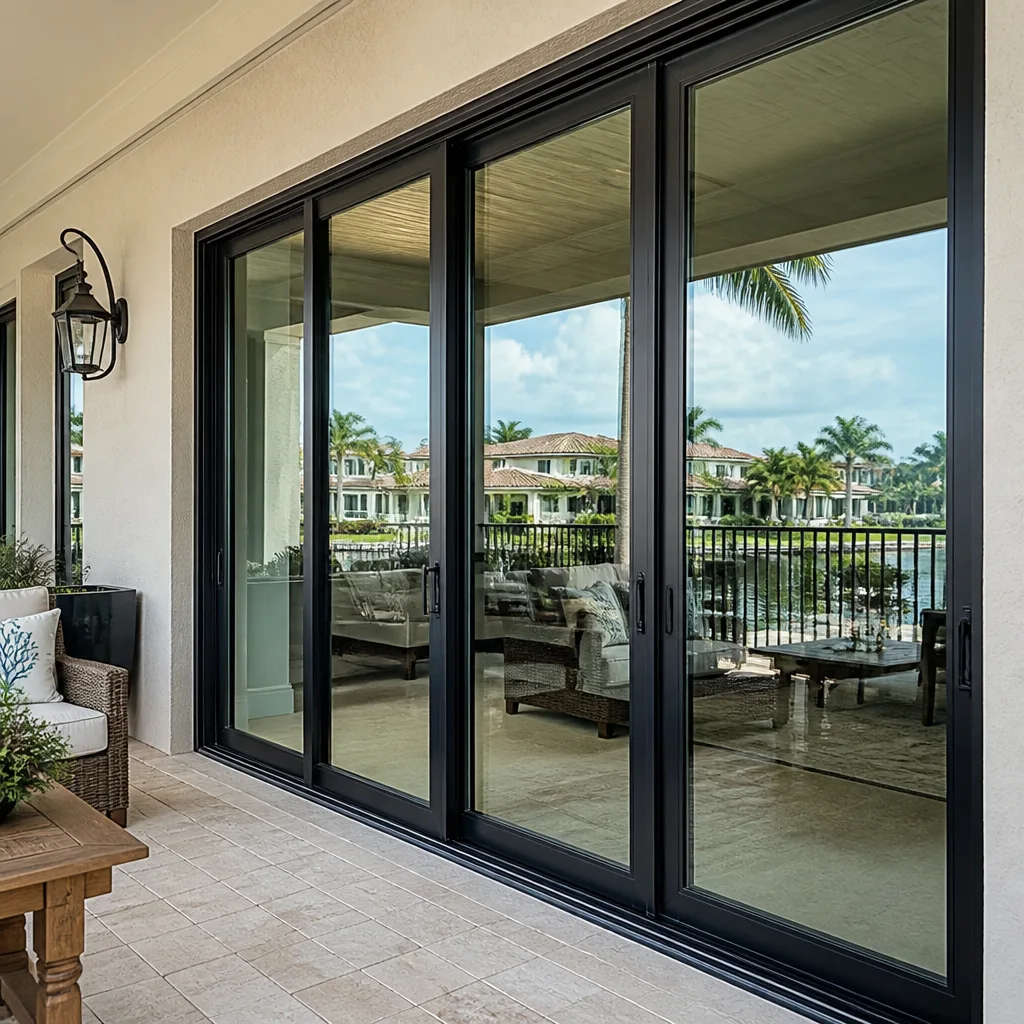
CGI
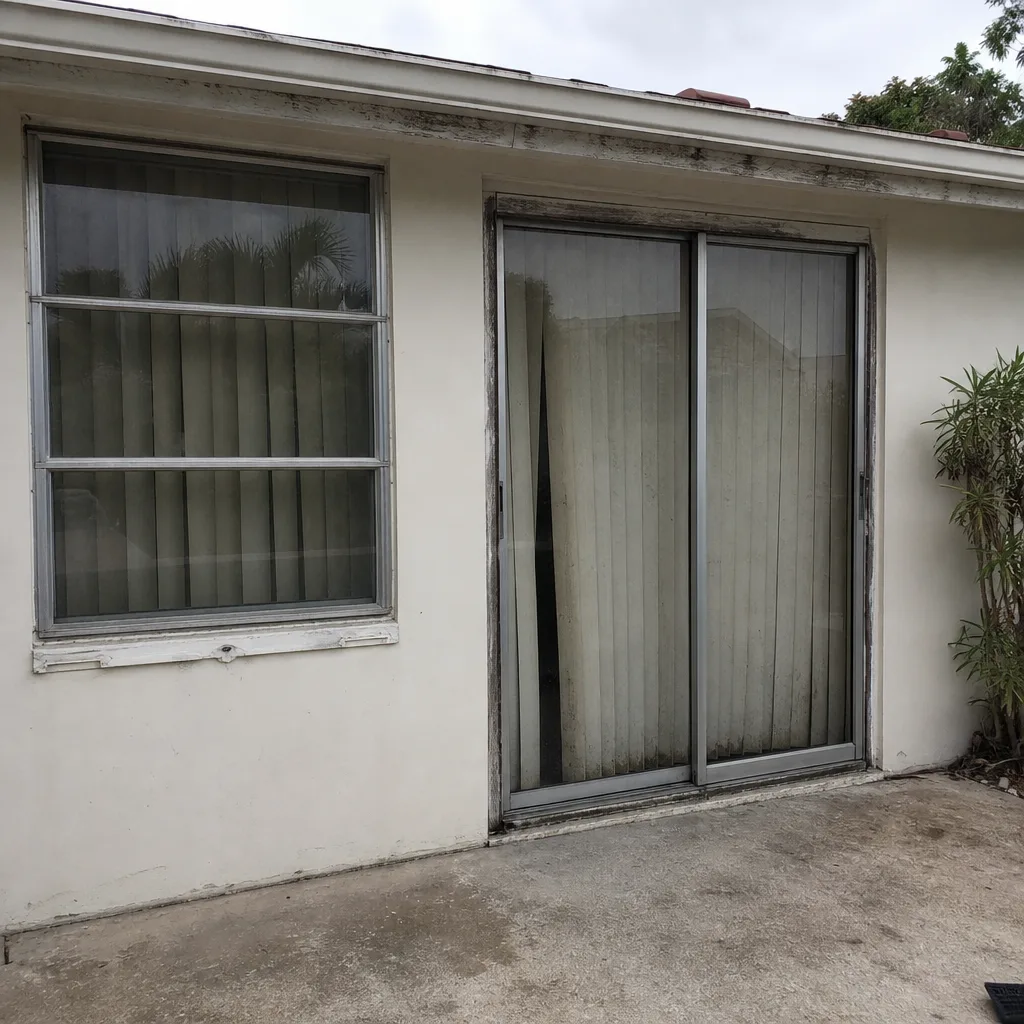 Before
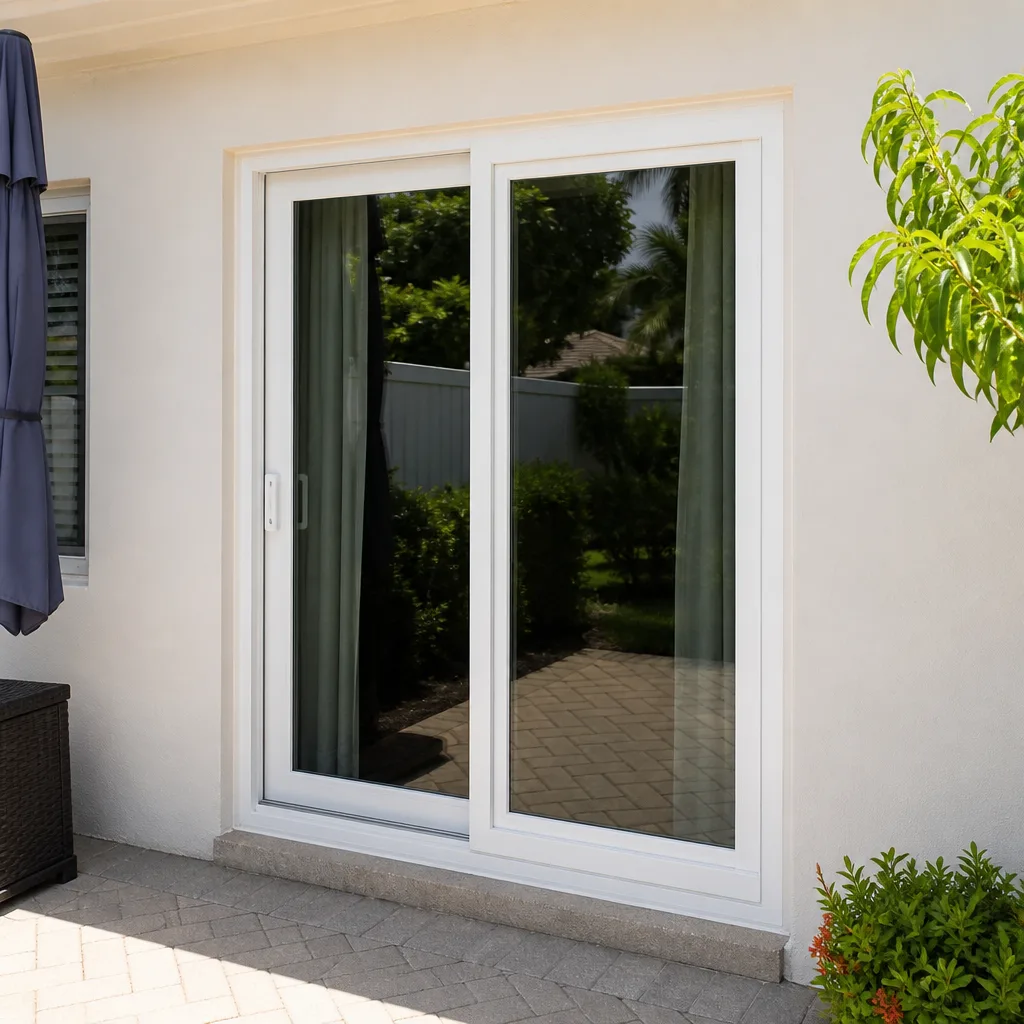 After
After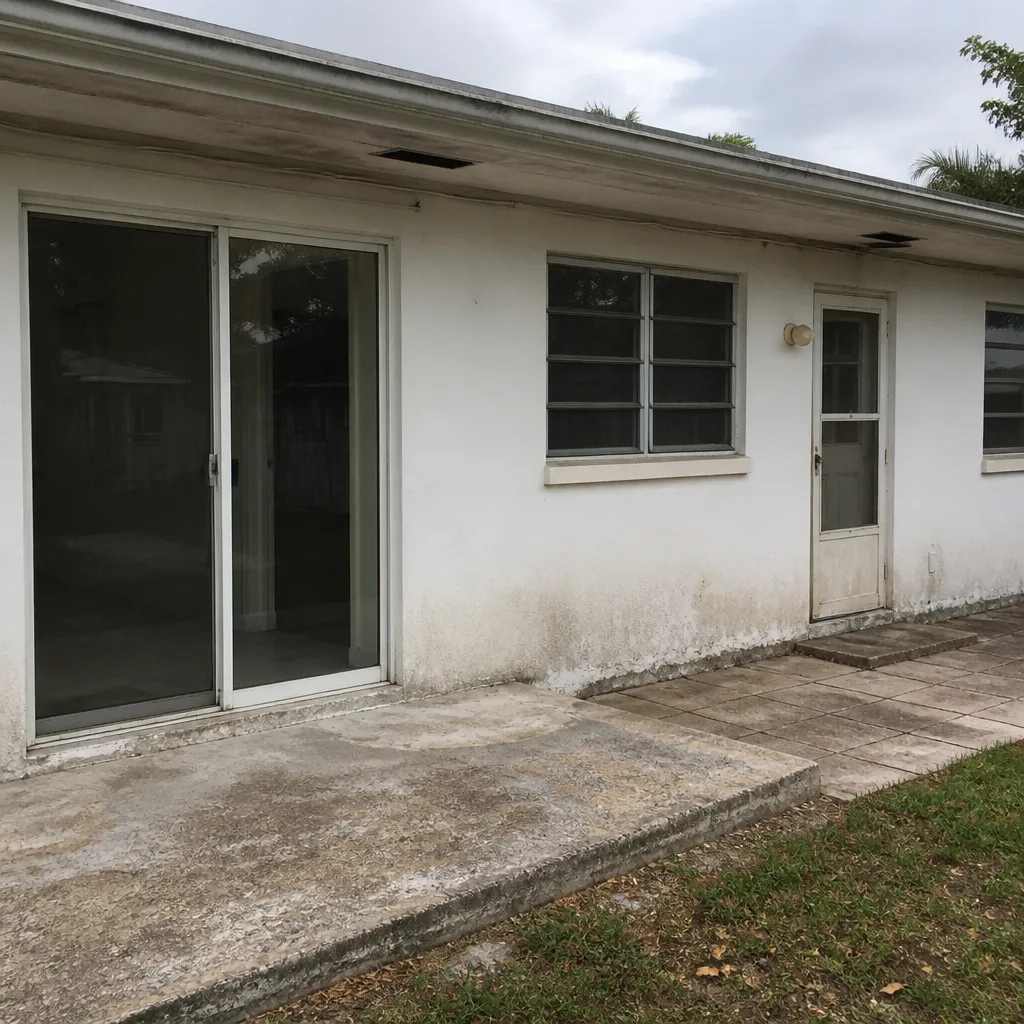 Before
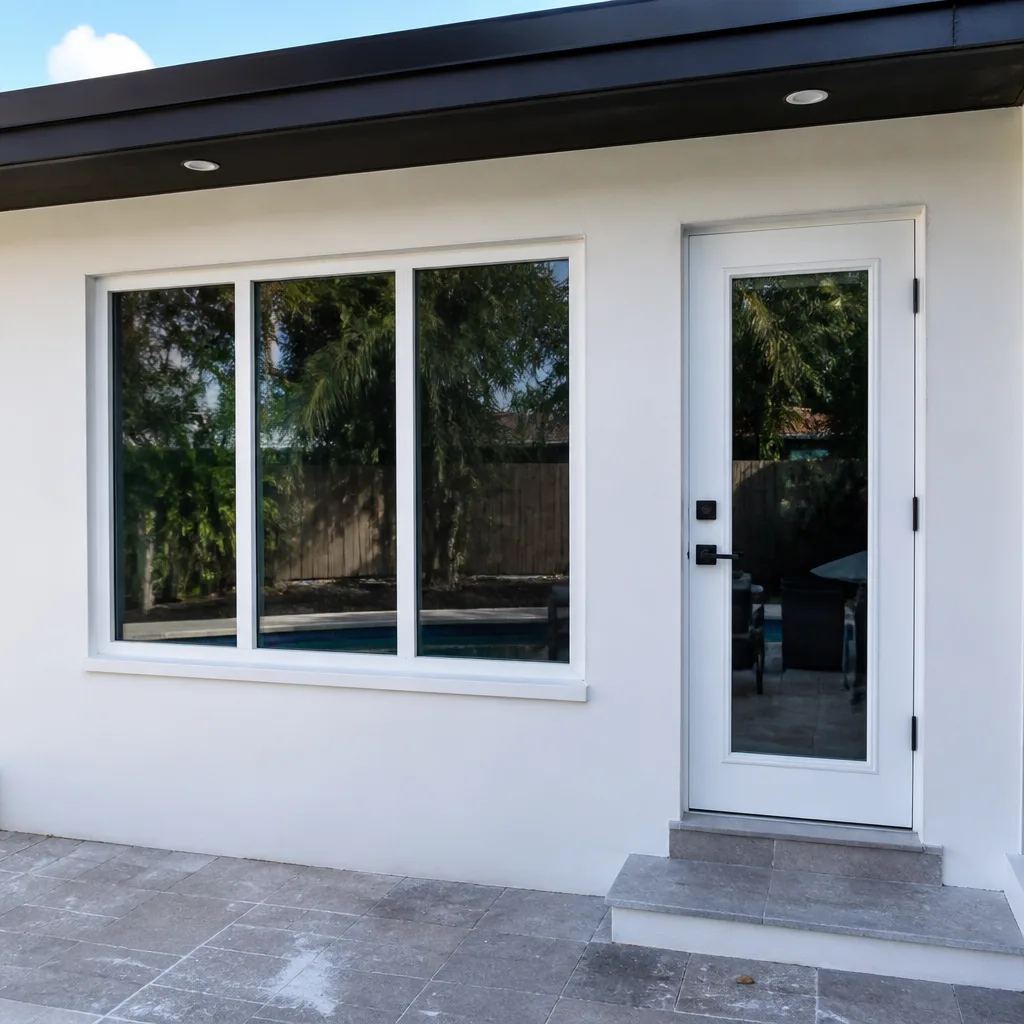 After
After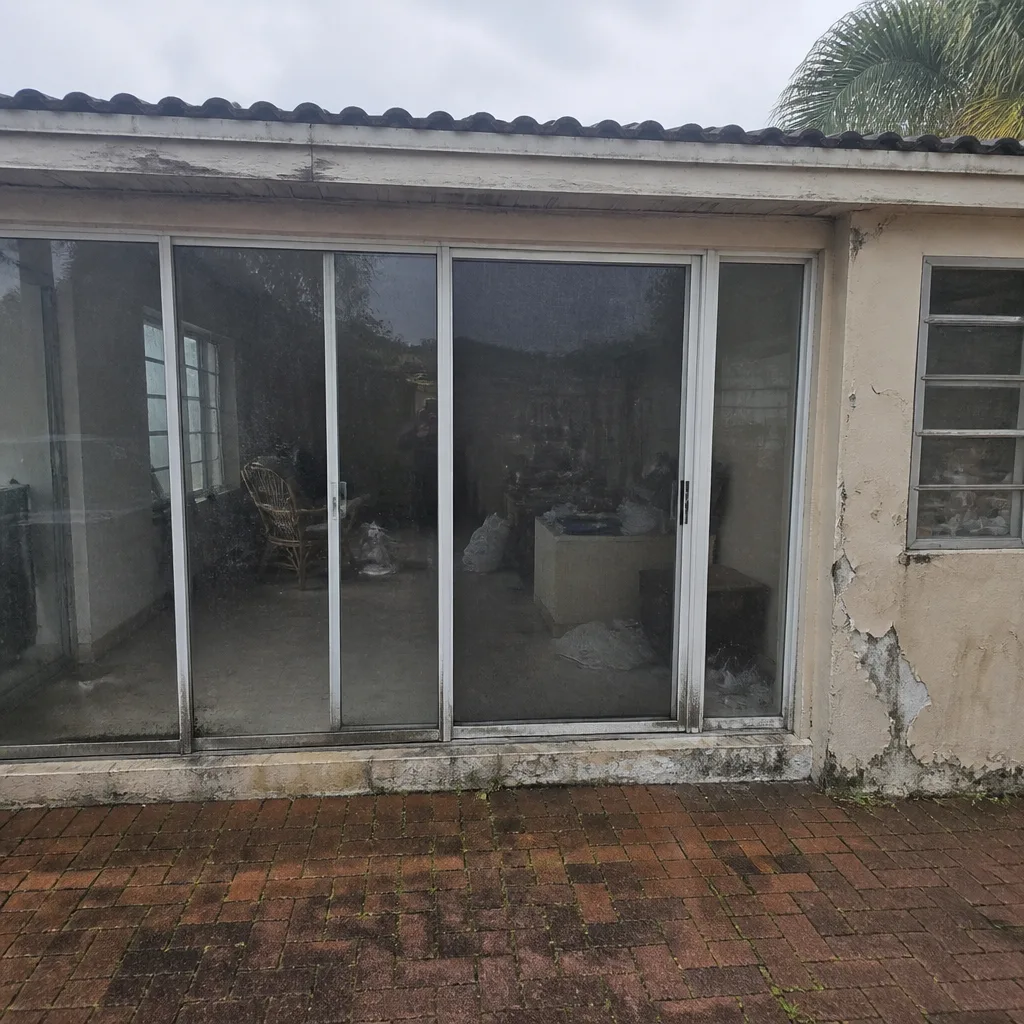 Before
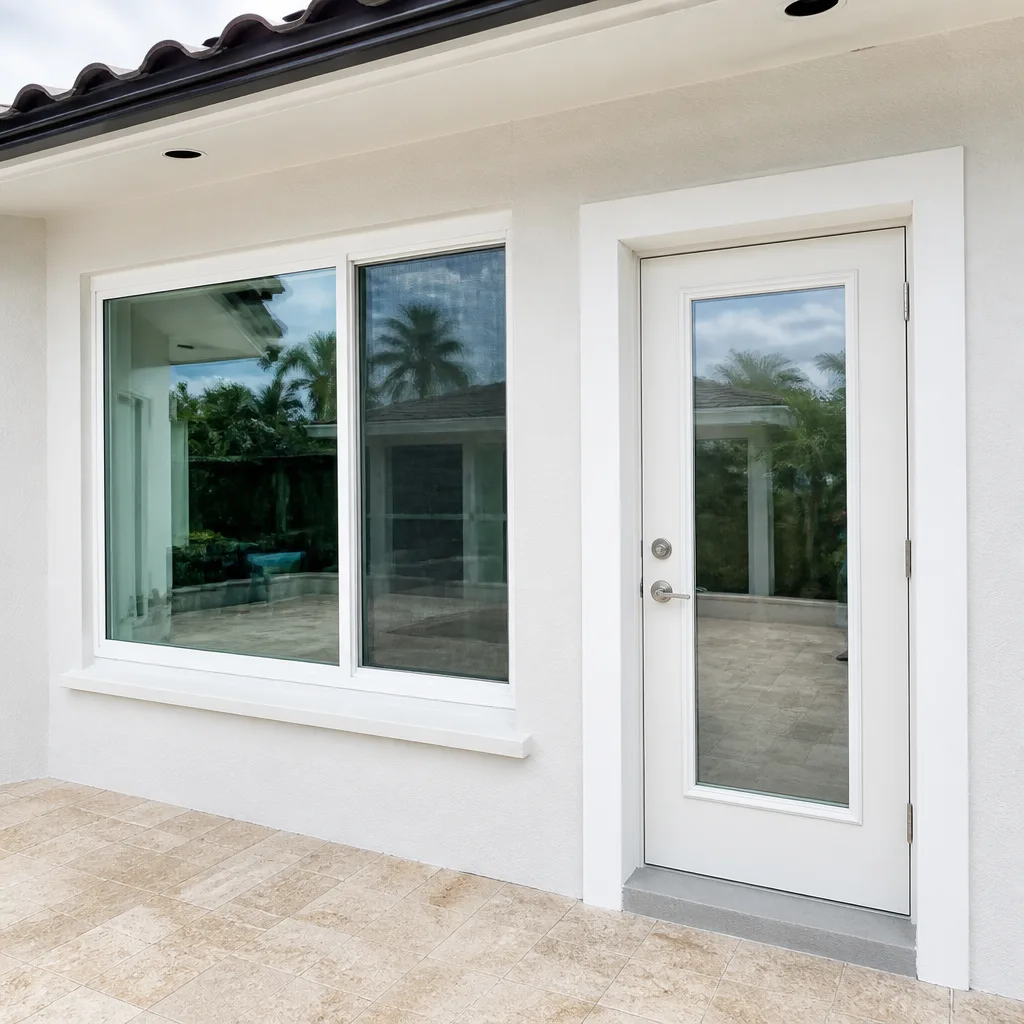 After
AfterImpact Windows Maintenance Checklist for Pompano Beach Homeowners
Most impact window warranties have a maintenance clause buried in the fine print, and the wording is quietly aggressive. Skip the annual sill cleaning, leave weep holes clogged with salt crust and sand, or ignore corroded hardware for a couple of seasons, and a manufacturer can legally deny a claim after a storm. That’s a brutal discovery to make when you’re standing in a water-damaged living room holding a denied warranty letter. In Pompano Beach, where salt air works on metal components year-round and hurricane season delivers debris at 140 miles per hour, maintenance is not a suggestion. It’s the only thing standing between the impact rating you paid for and a window that fails exactly when you need it most. This guide gives you a concrete, month-by-month routine to protect your windows, your warranty, and your home.
We’ll walk through the drainage system most homeowners never look at, the fogging test that reveals a breached seal before water ever enters your house, the specific lubricants that work in coastal salt air (and the ones that quietly make corrosion worse), and the post-storm inspection sequence that matters even when you see no visible damage. We’ll also show you how to document maintenance so a warranty claim or insurance filing doesn’t turn into a fight.
Quick Answer
Impact window maintenance in Pompano Beach means inspecting and cleaning weep holes and drainage channels every 60 to 90 days, lubricating hardware twice a year with a non-petroleum silicone spray, checking glass seals for fogging or hazing every spring, and documenting each inspection with dated photos. After any named storm, run a 15-minute visual inspection of frames, glazing tape, and glass even if nothing looks wrong. This routine prevents warranty denials, keeps windows operating at their rated impact resistance, and extends service life in coastal conditions by a decade or more.
Table of Contents
- The Most Important 10 Minutes You’ll Spend: Weep Hole and Drainage Channel Cleaning
- How to Test Your Glass Seal Integrity (The Fogging Test) Before You Call Anyone
- Hardware Lubrication for Salt-Air Environments: What Actually Works
- Frame and Glazing Tape Inspection: What Pompano Beach Salt Does Over Time
- After Any Named Storm: The 15-Minute Inspection, Even With No Visible Damage
- Documenting Maintenance to Protect Your Warranty and Insurance Claim
- Common Mistakes to Avoid
- When to Call a Professional
- Frequently Asked Questions
The Most Important 10 Minutes You’ll Spend: Weep Hole and Drainage Channel Cleaning
Every impact window has a drainage system, and in Pompano Beach it works harder than it does almost anywhere else in Florida. Weep holes are the small slots or circular openings along the bottom exterior edge of the window frame. They exist to let water escape from the track channel before it pools, backs up, and migrates into your wall cavity or under the frame. Here’s what most homeowners don’t know until a technician shows them: those weep holes are the single most common point of warranty denial we see. Not glass breakage. Not seal failure. Clogged weep holes.
Pompano Beach’s combination of fine beach sand, wind-driven salt spray, and organic debris from palm trees means those small openings crust over fast. Salt crystalizes inside the channel. Sand settles. Algae grows in the constant humidity. Within 60 days of a thorough cleaning, drainage can be compromised. Within 90 days, water can begin pooling in the track after a heavy afternoon thunderstorm, and that pooled water eventually finds its way past the weatherstripping or under the frame flange.
Here’s the cleaning routine we recommend for homeowners in Pompano Beach, step by step:
- Gather supplies: a soft-bristle brush (an old toothbrush works well), a small wooden skewer or plastic pick (never metal, which can scratch the frame coating), warm water with a drop of dish soap, and a dry microfiber cloth.
- Open the window and vacuum the entire bottom track with a narrow crevice attachment to remove loose sand and debris first. Vacuuming prevents you from pushing grit deeper into the weep channels when you scrub.
- Locate every weep hole. On most impact windows there are two or three along the exterior bottom edge of the frame, plus a matching set of slots on the interior track. If you’re not sure what you’re looking at, look for small rectangular cutouts that align with the track channel when the window is closed.
- Flush with clean water. Use a small squeeze bottle or cup to pour water slowly into the exterior weep holes. You should see it drain out from the interior side or bottom edge. If water pools and doesn’t exit, the channel is blocked.
- Clear the blockage gently. Insert the wooden skewer or plastic pick no more than a quarter inch into the weep opening and work it gently side to side. Do not force it. The internal channel can be angled, and aggressive probing can crack the channel wall.
- Flush again. Pour more water through until it runs clear. Wipe the track dry with the microfiber cloth. Leave the window open for 20 minutes to air-dry the channel completely.
Repeat this on every window in the house every 60 to 90 days. If you have east-facing windows that catch the full morning sun and salt breeze off the Atlantic, do them every 45 days during the summer. The salt accumulates faster on those exposures, and the baking sun hardens the crust into something close to concrete.
This is maintenance you can absolutely do yourself, and it takes about 10 minutes once you know what you’re looking for. But if you’re not comfortable working inside the track, or you find blocked channels that won’t clear, our technicians handle this as part of a broader impact window service in Pompano Beach. A clogged weep hole ignored for a full storm season is a frame rot problem in the making, and frame rot on an impact window is never a cheap fix.
How to Test Your Glass Seal Integrity (The Fogging Test) Before You Call Anyone
Impact windows are actually two panes of laminated or tempered glass separated by a sealed air space, and that seal is where the impact rating lives and dies. When the seal fails, the window loses its insulating gas fill, the glass begins to fog or develop a hazy interior film, and, critically, the window can no longer perform at its rated impact resistance. A window with a failed seal is a window that may not hold during the next direct hit. Here’s the counterintuitive part: seal failure is often invisible for months or even years before the telltale fog appears, and by the time you notice it, the damage is done. This is why in our experience with Coastal Pompano Beach homes, seal failure is something we catch during routine maintenance, not something homeowners catch on their own.
The fogging test is simple. You perform it on a sunny morning in early spring, and you take your time with it.
- Start on the interior side of the window with the room lights off and the morning sun shining directly on the glass from outside.
- Look for any haze, cloudiness, or film between the two panes of glass. This is the classic fogging that indicates a failed seal. It’s easiest to spot at an angle rather than straight-on, so move your head side to side while watching the glass.
- Check the interior glass surface for condensation that does not wipe away with a dry cloth from the inside. If the moisture is on the exterior surface, that’s normal Florida condensation. If it’s between the panes or on the interior face that’s sealed inside the frame, that’s seal failure.
- Run your finger along the edge of the glass where it meets the frame. Look for any bubbling, lifting, or visual distortion of the sealant bead. Over time, Pompano Beach’s UV intensity breaks down even high-quality sealants, and a failing sealant bead is the early warning before the insulated glass unit itself fails.
- Repeat on the exterior side with the sun behind you.
If you find fogging, hazing, or condensation that won’t wipe clean, document it with photos and note the date. That’s a window that needs a professional evaluation. Seal failure does not mean the window needs to be replaced - sometimes the insulated glass unit can be swapped while the frame stays in place - but it does mean the window is no longer delivering the impact protection you paid for. We’ve worked on windows from window replacement projects in Pompano Beach where the frame was perfectly fine and the glass unit was the only issue, and the fix was far more affordable than a full replacement.
One more thing worth stating clearly: a fogged impact window will not pass a post-storm insurance inspection if the adjuster knows what they’re looking at. The claim may still be paid, but a sharp-eyed adjuster will note the pre-existing seal failure and you’ll be fighting from behind. Catch it early.
Hardware Lubrication for Salt-Air Environments: What Actually Works
Pompano Beach is a salt-air environment, and that changes the rules on lubrication. The hardware on impact windows - hinges, locks, multi-point locking mechanisms, operators on casement and awning windows - is under constant attack from salt aerosol. It settles on the metal, draws moisture, and accelerates corrosion. If you’ve ever noticed white, chalky powder accumulating on your window hinges or lock pawls even when the house is well-kept, that’s salt corrosion doing its work.
The maintenance schedule for coastal windows is twice a year. We recommend doing all windows in early spring before the humidity peaks, and again in late fall after hurricane season wraps and the salt has had months to accumulate. Here’s what to use, and what to avoid.
What works in salt air:
- Non-petroleum silicone spray (look for one labeled as safe for plastics and rubber). It repels moisture, doesn’t attract sand and dust, and won’t degrade the weatherstripping. Apply a light coat to hinges, lock pawls, and any moving metal-to-metal contact point.
- Teflon or PTFE-based dry lubricant. These go on wet and dry to a protective film that won’t hold salt or sand. Good for lock cylinders and track rollers.
- White lithium grease, used sparingly, on the heavy-duty multi-point locking systems used on impact doors and some casement windows. A little goes a long way, and excess grease attracts debris that becomes abrasive paste.
What accelerates corrosion in Pompano Beach:
- WD-40 and generic penetrating oils. These are solvents first and lubricants second. They strip away the protective oxide layer on aluminum hardware, then evaporate, leaving the surface more vulnerable to salt attack than it was before. We’ve removed hardware from Pompano Beach windows that was corroded into a single fused mass because years of WD-40 application had stripped every protective layer off the metal.
- Motor oil, vegetable oil, and household oils. They gum in humidity, trap salt, and degrade the nylon rollers and bushings inside modern window hardware.
- Any graphite powder near lock cylinders in a coastal environment. Graphite plus salt water becomes a conductive sludge that accelerates galvanic corrosion between dissimilar metals.
Apply lubricant to a paper towel first, then wipe it onto the hardware rather than spraying directly into the frame. Overspray onto glass is a pain to clean, and overspray into the weatherstripping channel can keep the seal from sitting flush. Two light applications a year is all most Pompano Beach windows need. If your hardware is already showing white corrosion, that’s a conversation about replacement hardware and possibly frame health, and you’ll want a professional to look at it before the corrosion compromises the locking points that keep the window set during a wind-load event.
Different brands have different hardware profiles. We install impact windows in Pompano Beach with hardware from brands like ES Windows and CWS, and each uses slightly different locking mechanisms and track designs. The twice-a-year schedule stays the same, but the exact lubrication points vary. If you’re not sure what you’re looking at, the brand label is usually printed on the edge of the sash or on a sticker inside the head jamb. Start there.
Frame and Glazing Tape Inspection: What Pompano Beach Salt Does Over Time
Aluminum and vinyl impact window frames are tough, but Pompano Beach’s environment tests them in ways the manufacturers’ Miami-Dade test labs don’t fully replicate. Constant UV exposure breaks down the paint and powder coating. Salt aerosol finds microscopic scratches and starts oxidizing the raw aluminum underneath. Glazing tape - the sealing material between the glass unit and the frame - dries out, hardens, and loses adhesion. What started as a manufactured assembly with a 20-year design life can look tired in five years if it’s not inspected.
Here’s the inspection routine for frames and glazing tape, twice a year at minimum:
- Inspect the bottom exterior edge of every frame for chalking, peeling, or bubbling in the finish. This is where salt water runs down the face of the building and sits against the frame. A bubbling finish means salt has penetrated the coating and the aluminum underneath is actively corroding.
- Run your thumb along the glazing tape that seals the glass to the frame. It should feel pliable and smooth. If it’s hard, cracked, or pulling away from the glass, it’s lost its ability to keep water out of the frame channel. This is a slow-motion seal failure that shows up as a window that leaks during a driving rain even though the glass itself is fine.
- Check the caulking around the exterior frame perimeter where the window meets the stucco, siding, or concrete block. Pompano Beach’s afternoon thunderstorms throw water at the walls at near-horizontal angles, and any gap in the exterior caulk bead is an entry point. Look for shrinking, cracking, or gaps wider than a credit card edge.
- Look for white, chalky residue collecting at the corners of the frame or on the screws that secure the sash. That’s aluminum oxide, the telltale of salt corrosion working into the metal. Left untreated, it eats the structural integrity of the frame to the point where impact rating is compromised.
- Operate the window fully open and closed three times, feeling for resistance, binding, or scraping sounds. A window that’s become hard to open isn’t just an inconvenience; it’s telling you the frame or hardware is deforming, and on an impact window, any deformation is a sign the load-bearing design is changing.
- Inspect the exterior glass surface from a stable step ladder (not from a second-story roof, and never in high winds). Look for star-shaped impact marks, small chips, or a fine spiderweb pattern that catches the light at an angle. Impact-rated glass can absorb a hit without shattering, but the damage is sometimes only visible as a small surface irregularity.
- Look carefully at the glazing tape around every pane. A severe wind-load event can shift the glass within the frame, compressing the tape on one side and stretching it on the other. If the gap between glass and frame is wider on one side than the other, the sealing has been stressed.
- Open and close every window. A frame that has racked slightly during the storm will bind, scrape, or refuse to seat fully. Window operation is a good indicator of structural movement.
- Check the head jamb and sill for new hairline cracks in the paint or finish. Hairline stress cracks at the corners are where a frame begins to fail. They’re subtle, but they’re there if you look.
- Walk the interior perimeter and look for water stains, damp drywall, or a musty smell near windows. Water that got through the exterior seal may not have dripped. It may have been absorbed by the drywall and will show as a stain only after it dries.
- Photograph anything suspicious, even if you’re not sure it’s a problem. A dated photo creates a record that connects the finding to the storm event, and that’s often the difference in an insurance adjuster’s assessment.
- Keep a simple maintenance log. A cheap spiral notebook works, or use a note on your phone. Log the date, what you did, and what you found on each window. This is enough for most manufacturers.
- Photograph every inspection session. Your phone’s date and location stamps create a metadata trail that’s hard to dispute. Take one wide shot of the window area, plus close-ups of weep holes, hardware, and glass edges. Store the photos in a dedicated folder, not scattered across your camera roll.
- Save receipts for every product you buy for maintenance: lubricant, cleaning supplies, caulk, replacement hardware. The receipt proves you purchased maintenance materials, which supports the log entries.
- Document exactly what you see, not what you think it means. Write “whitish powder on lower hinge of master bathroom window” rather than “corrosion probably.” Objective observations carry more weight with adjusters than amateur diagnoses.
- Keep a copy of the installation invoice and warranty registration. If you bought the house with windows already installed, call the Winslow Windows & Doors home office line and ask about warranty transfer paperwork. Many transferable warranties require a registration step that buyers forget.
- Using a pressure washer on impact windows. The high-pressure stream forces water past the weatherstripping and into the frame channels, and it can damage the glazing tape seal. Pompano Beach’s salt film is best removed with a bucket, mild soap, and a soft brush, not 2,800 psi of focused water.
- Ignoring the interior weep slots. The visible weep holes on the exterior are only half the drainage system. The interior slots that allow condensate to drain are also prone to clogging, and a homeowner who only cleans the exterior side has solved half the problem.
- Painting over weep holes or drainage channels. It happens more than you’d think, especially during a repaint. Painters unfamiliar with impact windows will fill the weep slots with caulk or paint, and the window’s drainage is gone. If you’re painting, tape over every weep opening before the crew arrives.
- Lubricating with whatever’s in the garage. See the salt-air guidance above. In a coastal environment like Pompano Beach, the wrong lubricant is worse than no lubricant because it accelerates the corrosion cycle.
- Assuming an impact window that took a hit and didn’t break is fine. Impact-rated glass is designed to absorb enormous energy without shattering, and it often does so at the cost of internal laminate damage that’s invisible. Post-storm inspection is not optional.
- Waiting for fog to appear before checking seals. By the time the classic fogging shows up between the panes, the seal has been failing for months. Run the fogging test every spring before humidity peaks, and you’ll catch failures early enough to address them before water intrusion begins.
- Filing an insurance claim without documentation. The adjuster will ask when the windows were last maintained and whether you can prove it. If the answer is no, expect the claim to be reduced or disputed. The maintenance log is not a nice-to-have; it’s the paper trail that keeps the claim honest.
If you find corrosion, cracked glazing tape, or failing caulk, don’t put it off. A tube of exterior-grade sealant and half an hour can address a small caulk gap before it becomes a wall cavity leak. But structural corrosion and hardening glazing tape are not DIY-appropriate fixes. Those need a technician who understands the window’s engineered assembly, because the repair has to preserve the impact rating. This is exactly the kind of thing we inspect on every window installation in Pompano Beach we perform, because it’s easier to address before the window is set than after.
After Any Named Storm: The 15-Minute Inspection, Even With No Visible Damage
Here’s the thing that surprises Pompano Beach homeowners: an impact window can take a direct hit from wind-borne debris, show absolutely no visible damage to the naked eye, and still have compromised its rated performance. The impact may have stressed the laminate layer, shifted the glass unit inside the glazing tape, or stretched the frame to the point where a future hit would break through. And those hidden compromises are exactly what the next storm will exploit.
This is why the post-storm inspection matters even when everything looks fine. It takes 15 minutes, and it’s the cheapest insurance you’ll ever buy.
If you find impact marks, shifted glass, racked frames, or water staining, call a professional for a full evaluation. Don’t wait until the next named storm is 48 hours out and every contractor in Broward County is booked solid. Impact window service in Pompano Beach is easier to schedule in November than in August, and the repairs are often cheaper when the damage hasn’t had months to worsen.
Documenting Maintenance to Protect Your Warranty and Insurance Claim
Here’s a hard truth about impact window warranties: the manufacturer doesn’t know and doesn’t care what maintenance you did unless you can prove it. The warranty language says something like “maintenance must be performed in accordance with manufacturer recommendations,” and if you can’t document it, you didn’t do it. This is how legitimate claims get denied every year after a storm. The homeowner cleaned the weep holes and lubricated the hardware. They just can’t prove it.
Documentation is not complicated, and it’s the strongest thing you can do to protect both your warranty and your insurance position. Here’s the system we recommend to homeowners in Pompano Beach:
The documentation habit takes 10 minutes a session, twice a year, plus an extra session after any major storm. That’s an hour a year. It’s the difference between a smooth warranty claim and a fight that ends in a denial letter, and in our experience with Pompano Beach homeowners, the ones who document are the ones who get paid.
Different manufacturers have different documentation standards. ECO Window Systems and Mr-Glass, two of the brands we install, each have specific maintenance requirements written into their warranty documents. If you can’t find your original warranty, the brand name is on the window, and a quick call to the manufacturer will get you a copy. From there, match your log to their exact checklist.
Common Mistakes to Avoid
When to Call a Professional
Some maintenance tasks are straightforward, but some findings require a technician who knows impact window engineering. Call a professional if you find fogging between the panes that won’t clear, corrosion that has eaten into the frame or hardware to the point of visible pitting, glazing tape that’s hard or pulling away from the glass, or a window that binds and won’t operate smoothly after cleaning and lubrication. A post-storm evaluation that reveals impact marks, shifted glass, or water staining is also a professional call, not a DIY project.
Winslow Windows & Doors offers free estimates in Pompano Beach - call (904) 893-3309. Ed Winslow’s name is on the door - and on every job we do. We’ll give you an honest read on what needs attention now, what can wait, and what it should cost.
Frequently Asked Questions
Every 60 to 90 days, and more often on east-facing windows that catch the ocean breeze. Salt and sand accumulate faster in Pompano Beach than inland, and a clogged weep hole is the most common cause of warranty denial we see. Call (904) 893-3309 if you need help with a blocked drainage channel.
Fogging between the panes means the insulated glass unit’s seal has failed, and the window has lost its insulating performance and may be compromised in impact resistance. It’s not condensation you can wipe away; it’s a failed seal that needs professional evaluation. Call us for a free assessment before it becomes a water intrusion problem.
Yes, and faster than most homeowners expect. Salt aerosol settles on hinges, locks, and tracks, draws moisture, and accelerates corrosion, especially when combined with Pompano Beach’s year-round humidity. Twice-a-year lubrication with the right products slows the process dramatically.
No. WD-40 and other penetrating oils strip protective coatings from hardware and evaporate quickly, leaving the surface more vulnerable to salt corrosion. Use a non-petroleum silicone spray or Teflon-based dry lubricant instead.
Yes. Impact-rated glass can absorb a direct hit without shattering while sustaining internal damage that affects future performance. Frames can also shift under wind load. A 15-minute post-storm inspection is cheap insurance, and documenting what you find protects any future claim.
Keep a written log with dates and observations, photograph every inspection with your phone’s date stamp, and save receipts for maintenance products. This paper trail is often the difference between a warranty claim that’s paid and one that’s denied. For help matching your log to your specific window brand’s requirements, call (904) 893-3309.
The Bottom Line
Impact windows are an investment, and like any investment, they need attention to perform at the level you paid for. In Pompano Beach, the specific threats are salt air, UV exposure, wind-driven sand, and the simple passage of time. The maintenance routine in this guide addresses each one directly. Clean the weep holes every couple of months. Test the seals every spring. Lubricate the hardware twice a year with the right product. Inspect after every named storm. Document everything. The 90 minutes a year this takes is nothing compared to the cost of a denied warranty claim or a window that fails during the next storm. And if you ever find something you can’t explain, a neighbor you can call at 2 a.m. - and someone will actually answer. Winslow Windows & Doors has been serving Pompano Beach since 2011, with upfront pricing, no surprises on the invoice, and the 36500-Day Done Right Promise: if it’s not done right, we make it right. Call (904) 893-3309 for a free estimate, a free second opinion on any written estimate, or just to ask a question about the windows you already have. We’re the one down the road.
Written by Ed Winslow, Owner at Winslow Windows & Doors, serving Pompano Beach since 2011.
Six Reasons Homeowners Choose Winslow Windows & Doors
Impact systems engineered to design pressures up to +/-100, matched to your wind zone - your openings hold when the storm arrives.
Low-E insulated impact glass from our manufacturer lines commonly cuts monthly cooling bills 20-30%.
Laminated impact glass shuts out up to 40% of outside noise - traffic, neighbors, weather.
Monitoring services run $30-90 a month. Laminated impact glass resists forced entry around the clock, with no subscription.
Florida homeowners average around 25% savings on the windstorm portion of their policy after protecting every opening - some homes qualify for more.
A full impact package upgrades curb appeal, buyer confidence and appraised value in one project.